
The Unhurried Work of Love
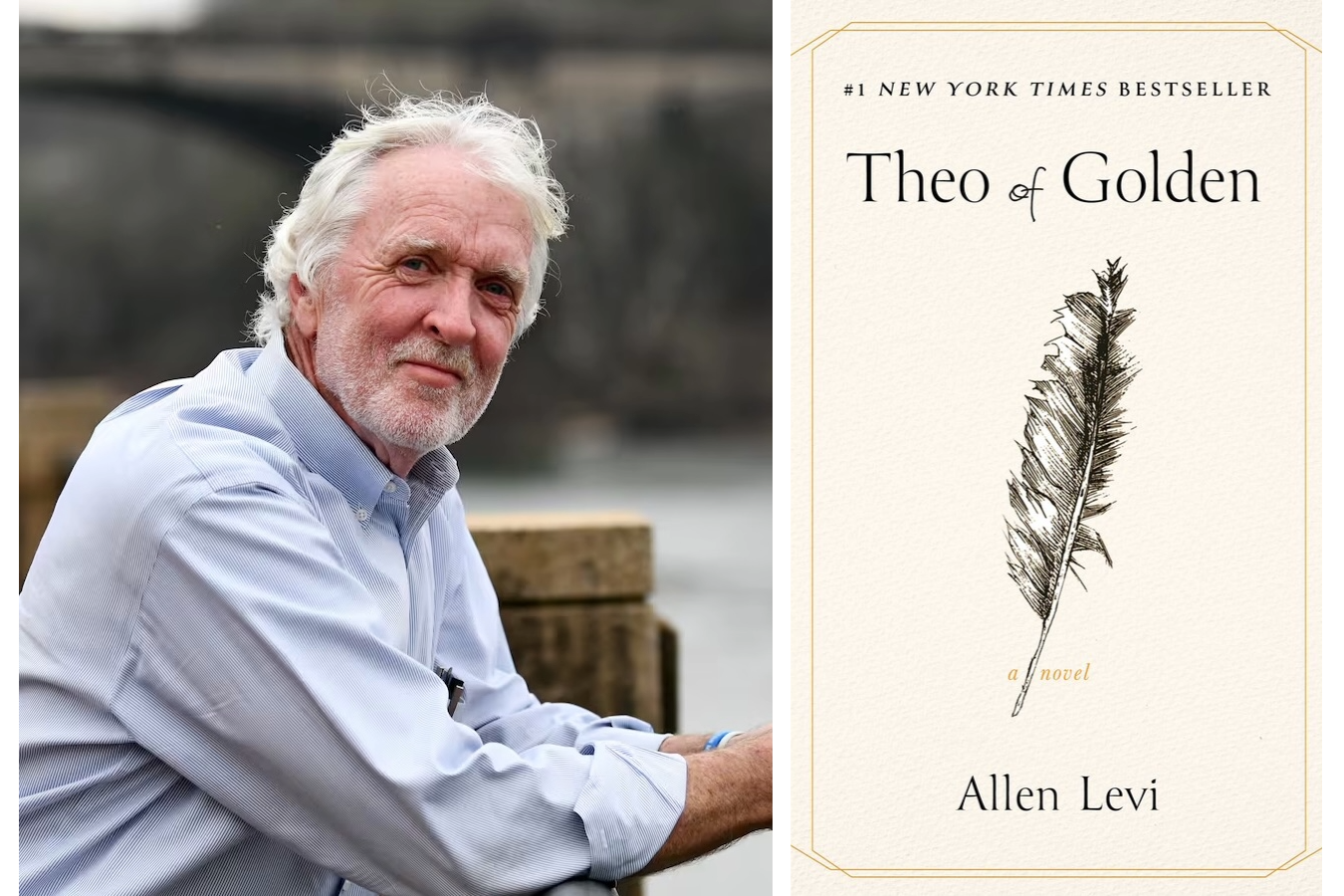
Have you ever been recommended a book so many times that, by the time you finally read it, you find yourself wishing you hadn’t waited so long? That was my experience with Theo of Golden by Allen Levi. For months, it surfaced in conversations and recommendations. I placed it on hold at the library and even purchased a copy because of the wait. When I finally made it a priority on my “to be read” list, I quickly understood why it had been consistently recommended by so many. I want to share it with you because it surfaces pastoral practices and echoes of the Fruit of the Spirit that can shape both our personal relationships and our ministerial lives.
What I encountered was not just a meaningful and heartwarming story (Atria Books, 2023), but a quiet invitation that speaks to how we live, relate to others, and choose to spend our time. Through eighty-six-year-old Theo’s quiet, intentional way of engaging others, I was reminded of the invitation we are continually given to notice how we show up in the world, particularly in our encounters with others. What follows is not a review or even a recommendation, but a reflection on how this story gently encourages a way of life that mirrors the example of Christ, one that is available to us in our ordinary, everyday interactions.
What if the most important work cannot be hurried?
In the story, Theo travels to a small town and purchases portraits of local residents that have been hanging in the local coffee shop. He then sets out to return each one to its rightful owner. What could have been a simple transaction becomes something much more. Each encounter is personal, deliberate, and unhurried. Theo does not rush the process or look for ways to make it more efficient. Instead, he meets each person face-to-face, offering his full attention. In doing so, he models a way of being that resists the frenetic pace of the world around him and makes space and time for genuine connection.
For many in church leadership, life is set at the pace of urgency. There are sermons to prepare, programs to lead, decisions to make, and problems to solve. In a fast-paced culture, it is easy to measure effectiveness by visibility, efficiency, and output. Yet the act of listening to another’s story, to what is said and even unsaid, has a way of quietly challenging those measures of productivity. Theo’s way of being reveals that transformation often happens not through great, visible efforts, but through small, intentional moments of attention. His conversations linger, his questions evoke honesty, and he sits with others as if there is nowhere else to be. These engagements are not interruptions; rather, they are treasures that Theo treats with utmost importance.
What if the right question matters more than the right answer?
One of the central patterns of the story is that Theo engages people by asking thoughtful, unhurried questions. His questions create space for others to share, to reflect on their experiences, and even to see themselves more clearly. This curiosity is not driven by obligation or surface-level interest, but by a sincere desire to understand the person in front of him.
In many leadership contexts, there is a natural pull to offer answers, provide direction, or move quickly toward solutions. Theo offers the example of a different posture, one that lingers in curiosity and trusts that understanding another person is, in itself, meaningful work.
This posture naturally gives way to kindness. Theo’s attentiveness allows him to notice the particularities of each individual he meets. He listens carefully, remembers what matters, and responds in future interactions with ways that are fitting to each person’s story. His kindness is also consistent. It doesn’t fluctuate based on someone’s status, personality, or response. Through this, the story reminds us that kindness often begins with truly seeing and hearing another person.
What if love looks like helping others remember who they are?
Even without knowing the full story, it becomes clear that Theo’s interactions are doing more than meets the eye. As he returns each portrait, he does more than hand over a framed picture; he speaks a declaration that affirms their sense of dignity and personhood. He notices details, names goodness, and reflects back to the townspeople something they may have forgotten or never fully recognized in themselves.
These moments may seem small at first, but as the story unfolds, their significance becomes clearer. They point to a deeper truth about love, not something driven by obligation or reciprocity, but a steady, intentional commitment to help people see themselves for who they really are.
Near the end of the book (pp. 358-361), the local pastor reflects on Theo’s presence among them, drawing a connection to the disciples’ encounter with Jesus on the road to Emmaus. It captures a sense that, in being with Theo, something within them stirred, a recognition of goodness and truth, and a growing awareness that love, grace, and forgiveness may be more real than they had fully allowed themselves to believe before meeting him.
Theo of Golden will not help you create an agenda for your next elders’ meeting or outline your next sermon series. But it offers a gentle and needed reminder for me, and maybe for you as well. May you have the courage to resist the pull of urgency. May you listen with patience and genuine curiosity. And may your presence become a quiet witness to love, helping others remember who they are.