

Curating reflections on Christian leadership, spiritual vitality, and cultural engagement. Like fragments of tile or glass, each beautiful and broken on its own, the offerings in this space converge to form a design more beautiful than the sum of its parts.
Blog

When a congregation actively serves its neighbors, something often changes within the congregation itself. They discover that faithfulness in the present is possible, even amid uncertainty about the future. Their imagination expands beyond institutional survival. They are reminded that God is already at work in their town, and that they are invited to join that work.

I don’t think the waiting is empty. I think God is setting something else up.

Jesus said that his followers ought to be “as wise as serpents and innocent as doves” (Matt 10:16). Too many moderate Christians have forgotten the first part of this admonition.
Blog
When a congregation actively serves its neighbors, something often changes within the congregation itself. They discover that faithfulness in the present is possible, even amid uncertainty about the future. Their imagination expands beyond institutional survival. They are reminded that God is already at work in their town, and that they are invited to join that work.
Jesus said that his followers ought to be “as wise as serpents and innocent as doves” (Matt 10:16). Too many moderate Christians have forgotten the first part of this admonition.

In every turn, in every new moment, and in every disruptive event, there is the space to look for God’s arrival and to name it!
Blog
I don’t think the waiting is empty. I think God is setting something else up.

Dying on a cross was synonymous with the ultimate failure and the greatest of curses. And yet, Paul taught in Colossians 1:18b-20 that Jesus' death on the cross was a cosmic victory of good over evil.

It suddenly occurred to me that I was engulfed in total silence. Even the overworked air-conditioning system was silent on this pleasant early October morning. I found it so rare that the experience caused me to think deeply. Here I was – silent before my Creator, who reminded me to “Be still and know that I am God” (Psalm 46:10).
Blog

God has called us to unity, not uniformity; understanding this is essential so that we do not judge one another.
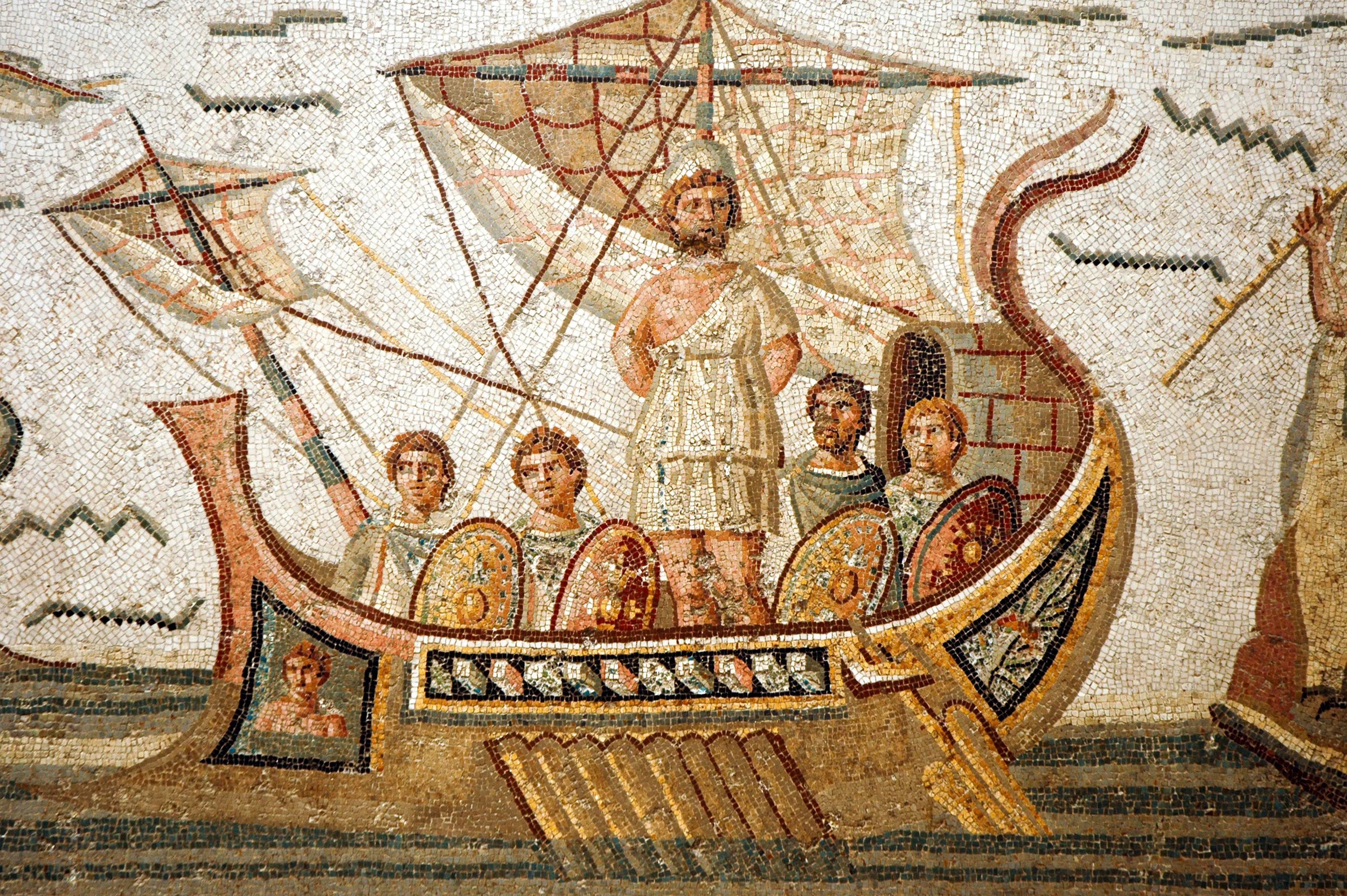
What does The Odyssey reveal, especially to those of us who are leaders in churches or Christian communities?

We want our kids to have opportunities to grow in extracurricular activities and to enjoy them, while also developing and maintaining a healthy faith.
Chaplaincy Resources
Blog

As chaplains, our role is to serve as ambassadors for human dignity, stepping in to remind patients and staff of their inherent worth whenever they lose sight of it.

Through a visit with Nell, I found my stereotypes of homeless people challenged.

This was the moment I realized that what brings joy to one person may bring a sense of loss and distress to another. Then it led me to a deeper question…
Featured

Church leaders live with hope. We are not alone. God’s preferred future is not a pipe dream. However, it will require us to relinquish our hold on the future and trust in God’s future.
The Siburt Institute’s values emerge from our commitment to faithfully embody the partnership in Jesus’s ministry to the Father by the Holy Spirit for the sake of the church’s witness to the world.
Featured

How many of the words in Romans 12 are guiding my own life? And how many am I setting aside because of discomfort or stubbornness?

Our people, our ministries and our families have specific needs, but sometimes we don’t do a great job at identifying and ministering to those needs. So what can we do about it?

We need help and support, and that support can come from our brothers and sisters who are no longer living, by means of their writings and their example.
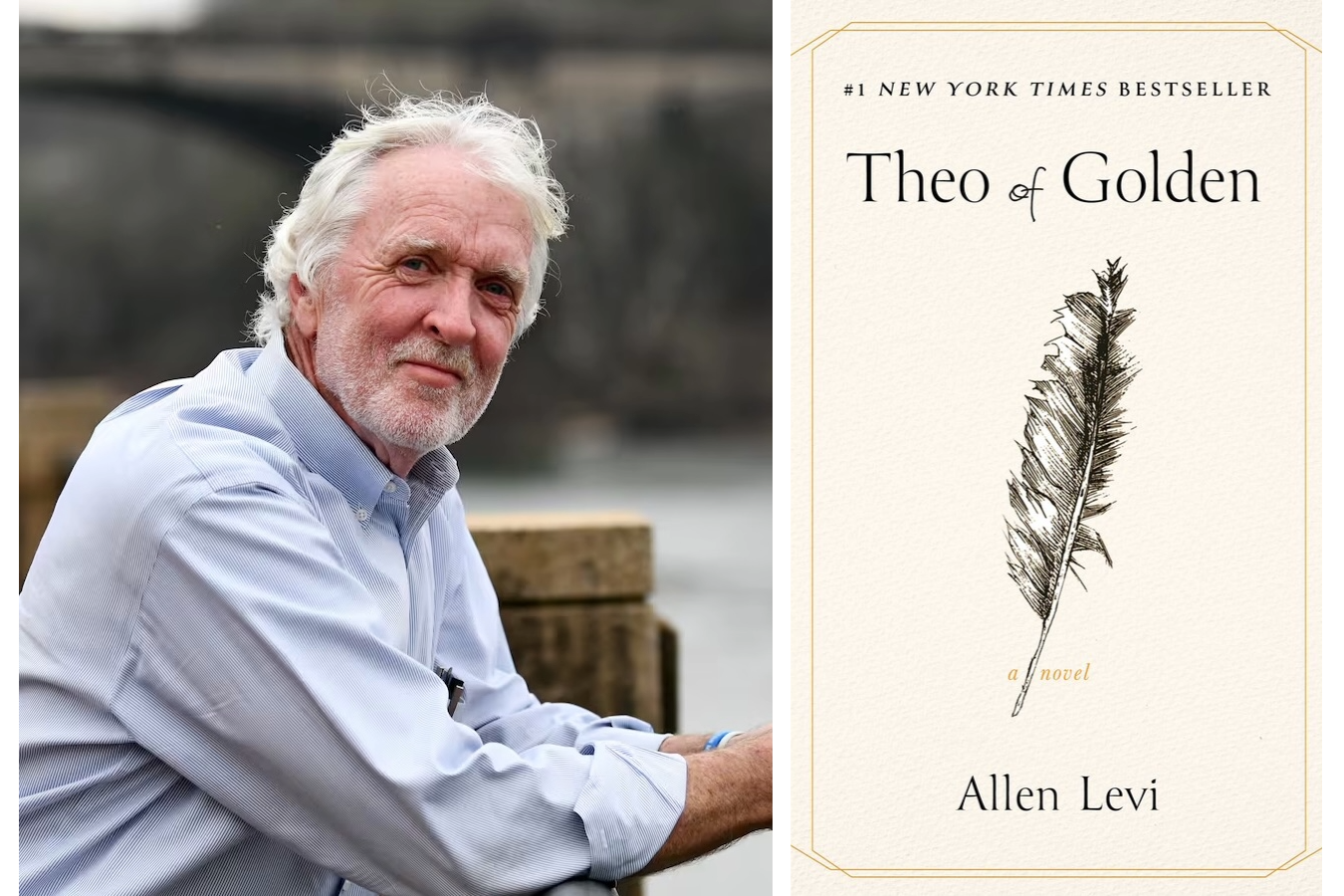
This book surfaces pastoral practices and echoes of the Fruit of the Spirit that can shape both our personal relationships and our ministerial lives.