I don’t think the waiting is empty. I think God is setting something else up.


All in Discipleship
I don’t think the waiting is empty. I think God is setting something else up.
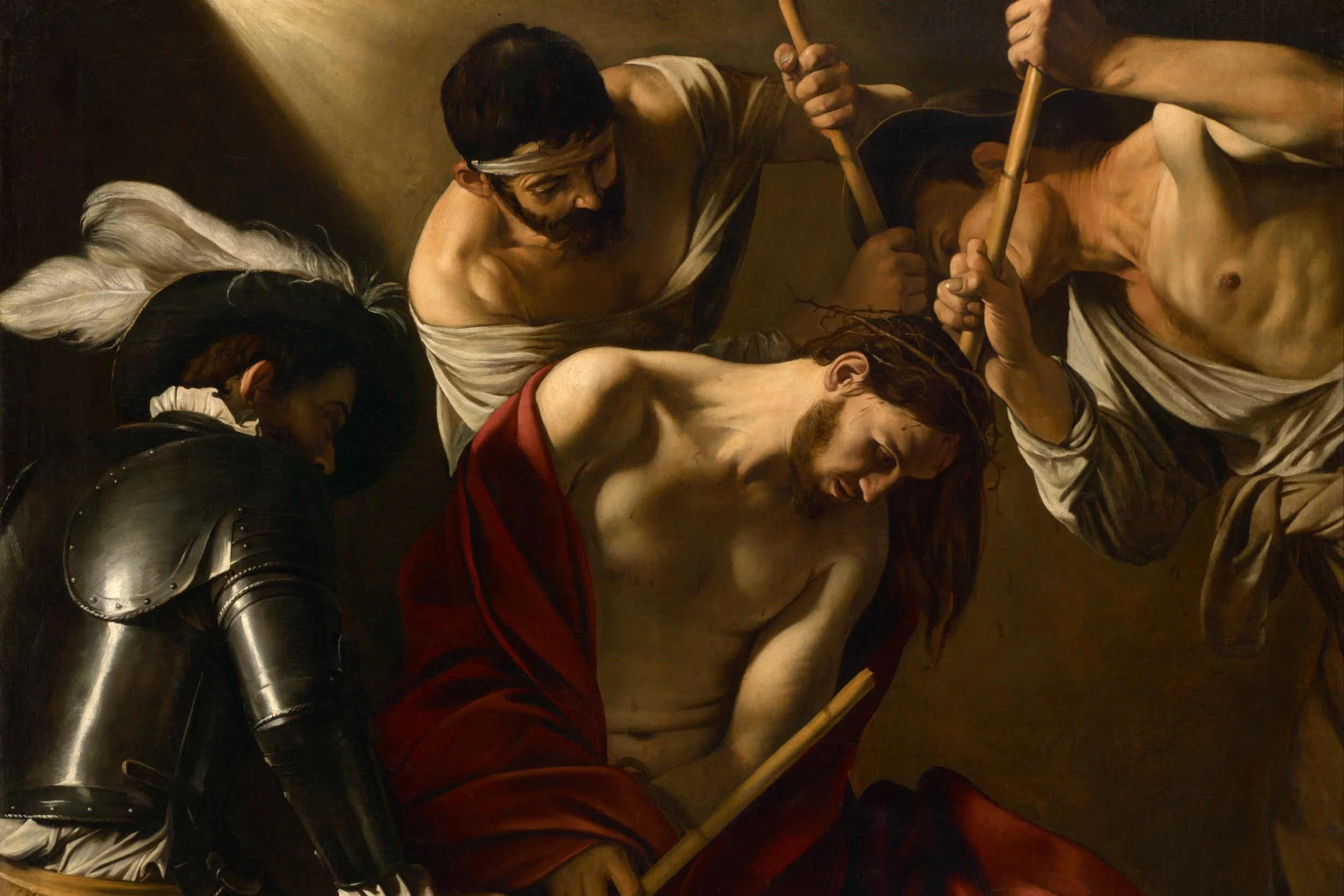
Dying on a cross was synonymous with the ultimate failure and the greatest of curses. And yet, Paul taught in Colossians 1:18b-20 that Jesus' death on the cross was a cosmic victory of good over evil.
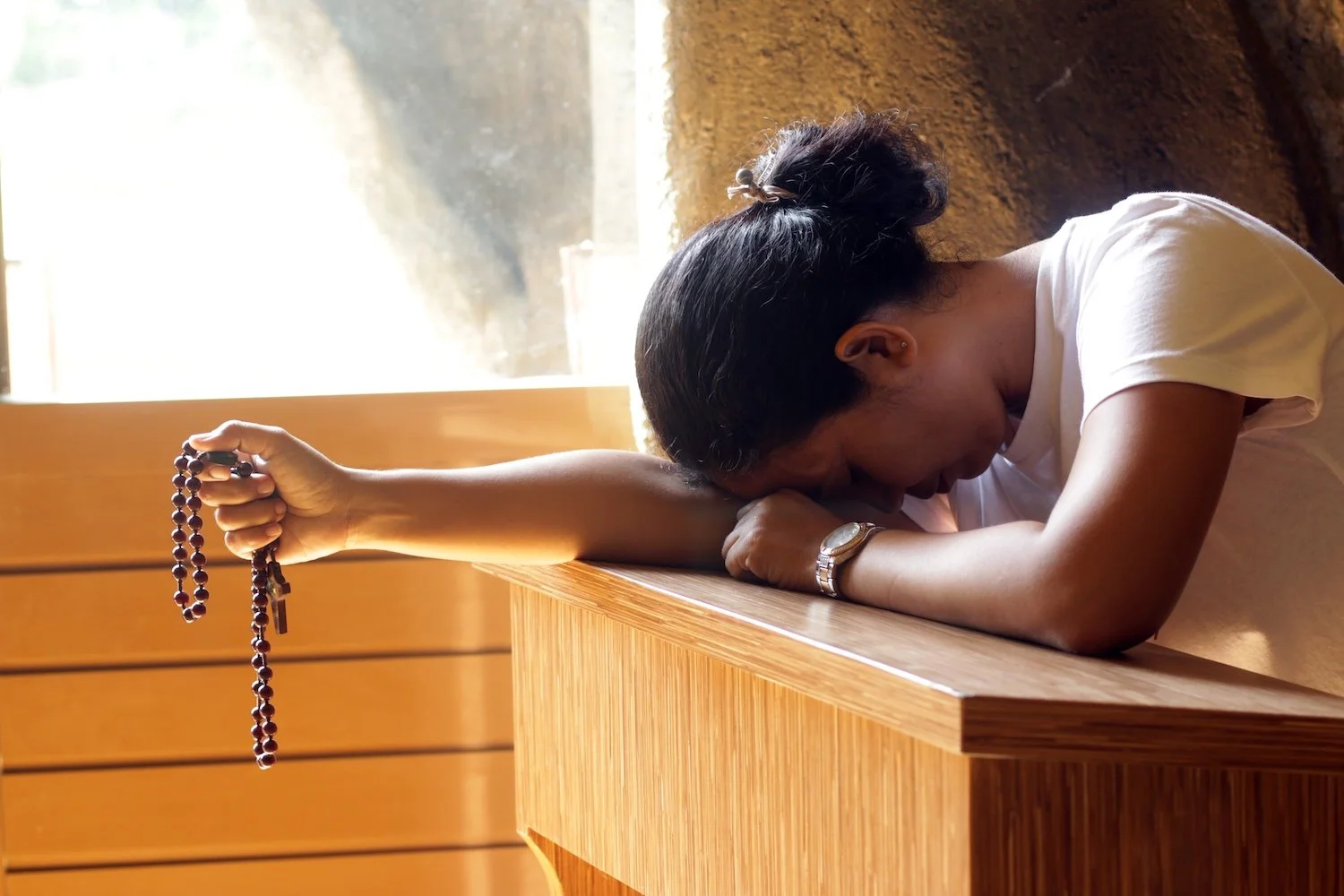
It suddenly occurred to me that I was engulfed in total silence. Even the overworked air-conditioning system was silent on this pleasant early October morning. I found it so rare that the experience caused me to think deeply. Here I was – silent before my Creator, who reminded me to “Be still and know that I am God” (Psalm 46:10).
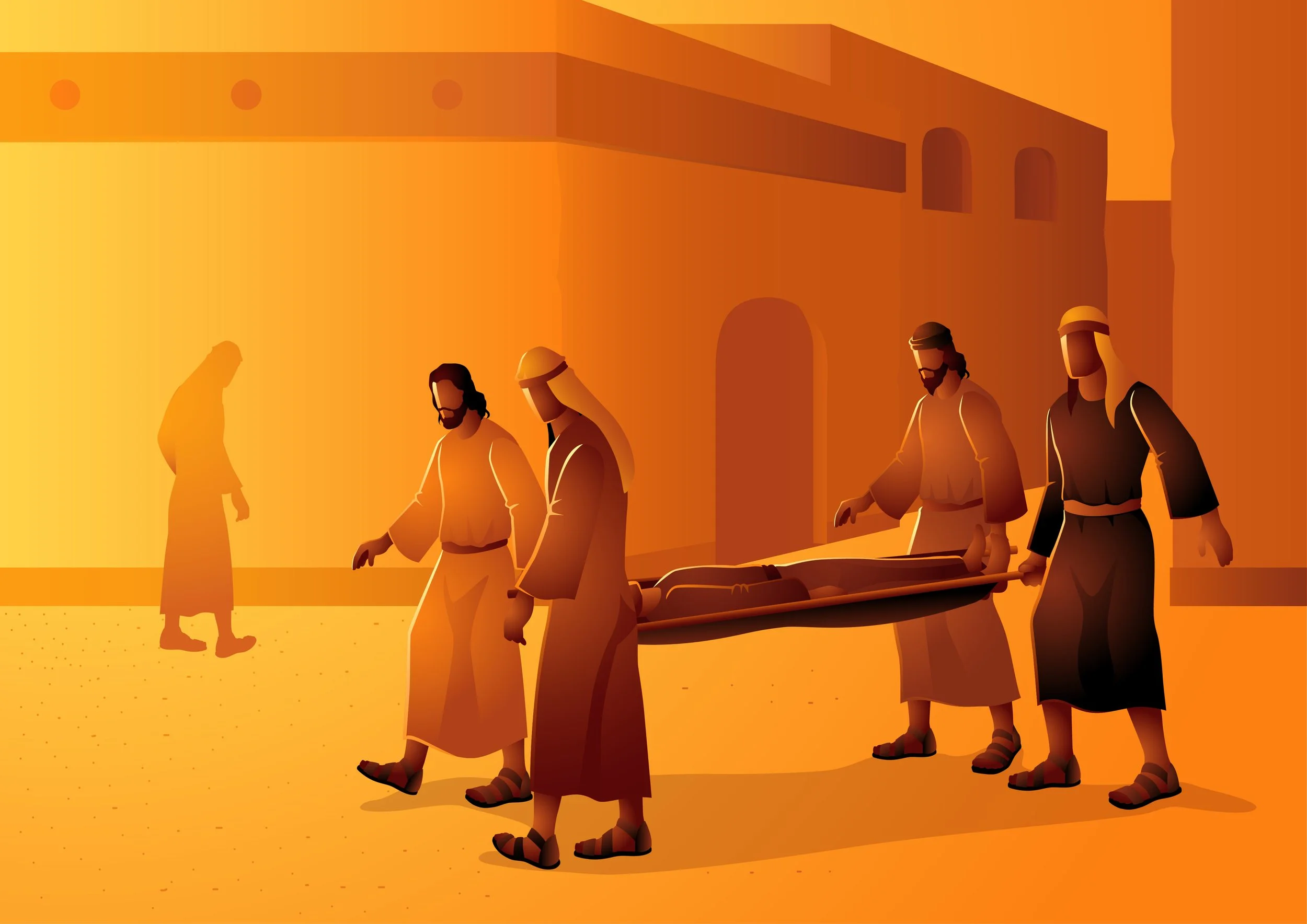
It is one of the most famous stories in the Bible. A paralytic is healed by Jesus. But the most interesting thing is that he was carried on his cot by four friends. Who were those guys? What can we learn from them?
When we are in a state of stagnation, we have hope because God is working even when we can’t see or feel the work being done.
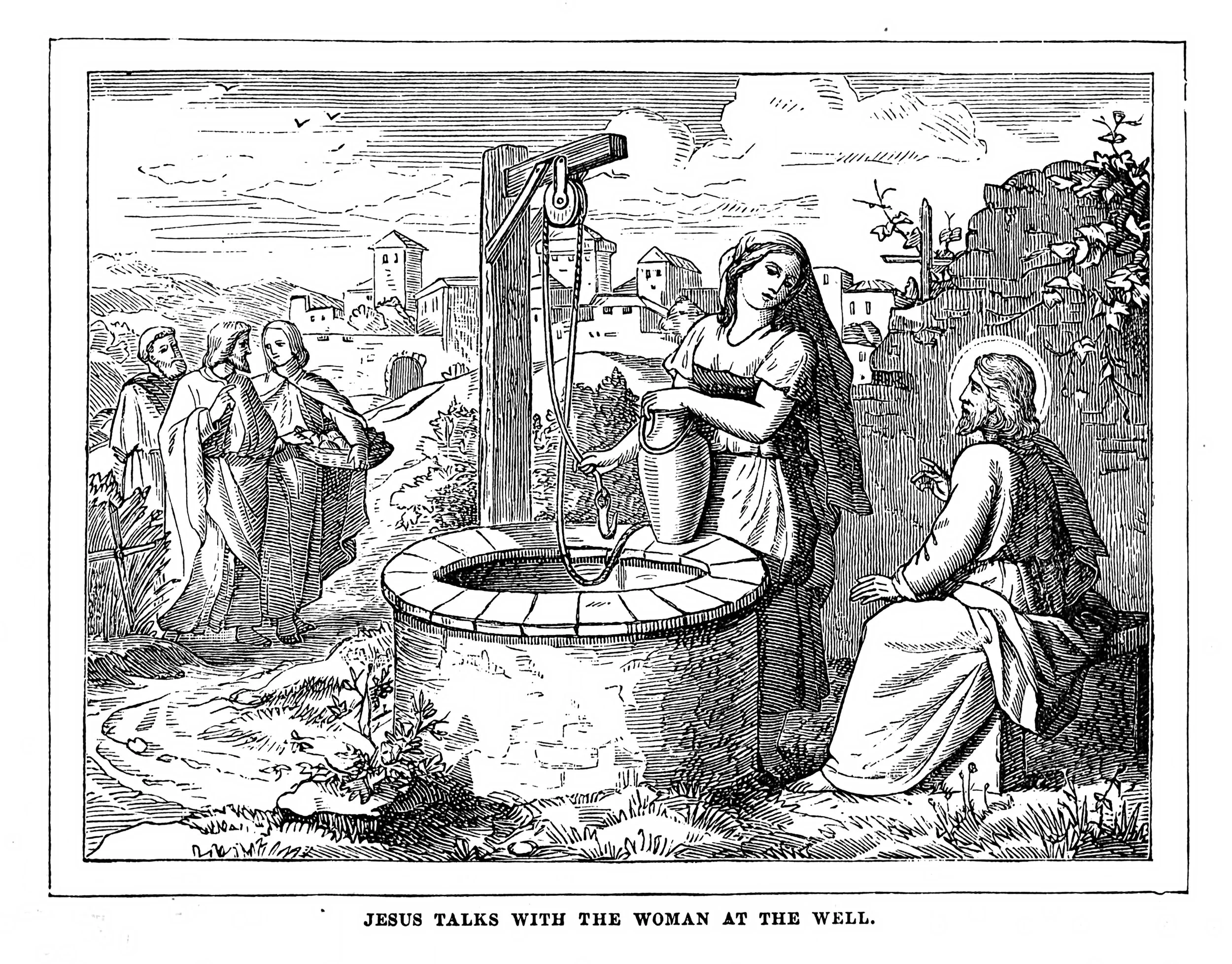
The woman at the well came every single day because it was the only way to sustain her thirst. In the same way, to tend our souls, we must make rhythms that keep us coming back to God every single day.
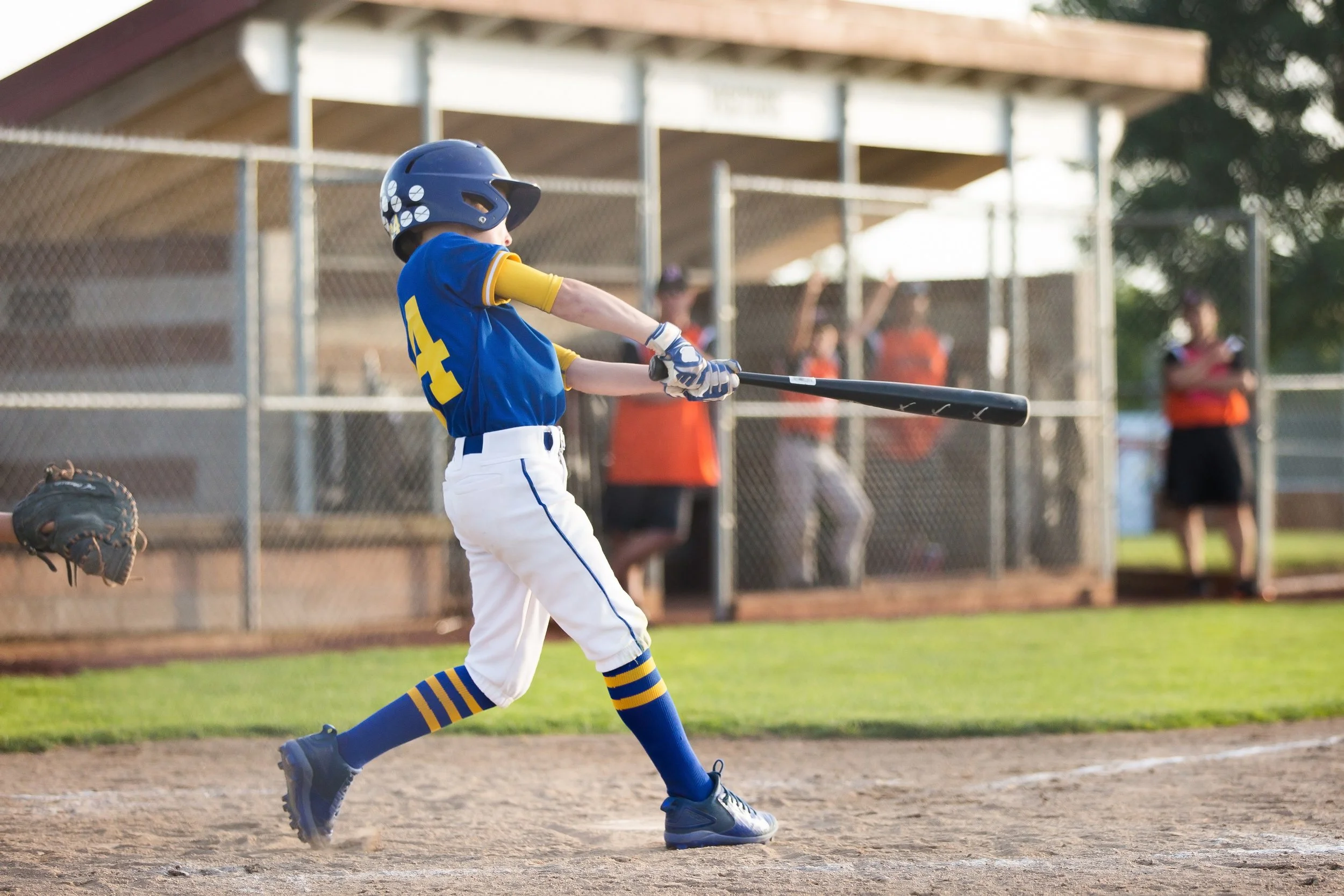
My prayer is that we are raising disciples who happen to be athletes, not athletes who happen to be disciples. May our kids seek and find Jesus wherever they are, on a playing field or in the local church.
Having coached for a short period of time, I want to shed light on two myths when it comes to our kids’ extracurricular schedules and their spiritual formation.
For imperfect people Habakkuk’s message is practical and finds its crucible in life’s sweetest relationship.
How many of the words in Romans 12 are guiding my own life? And how many am I setting aside because of discomfort or stubbornness?
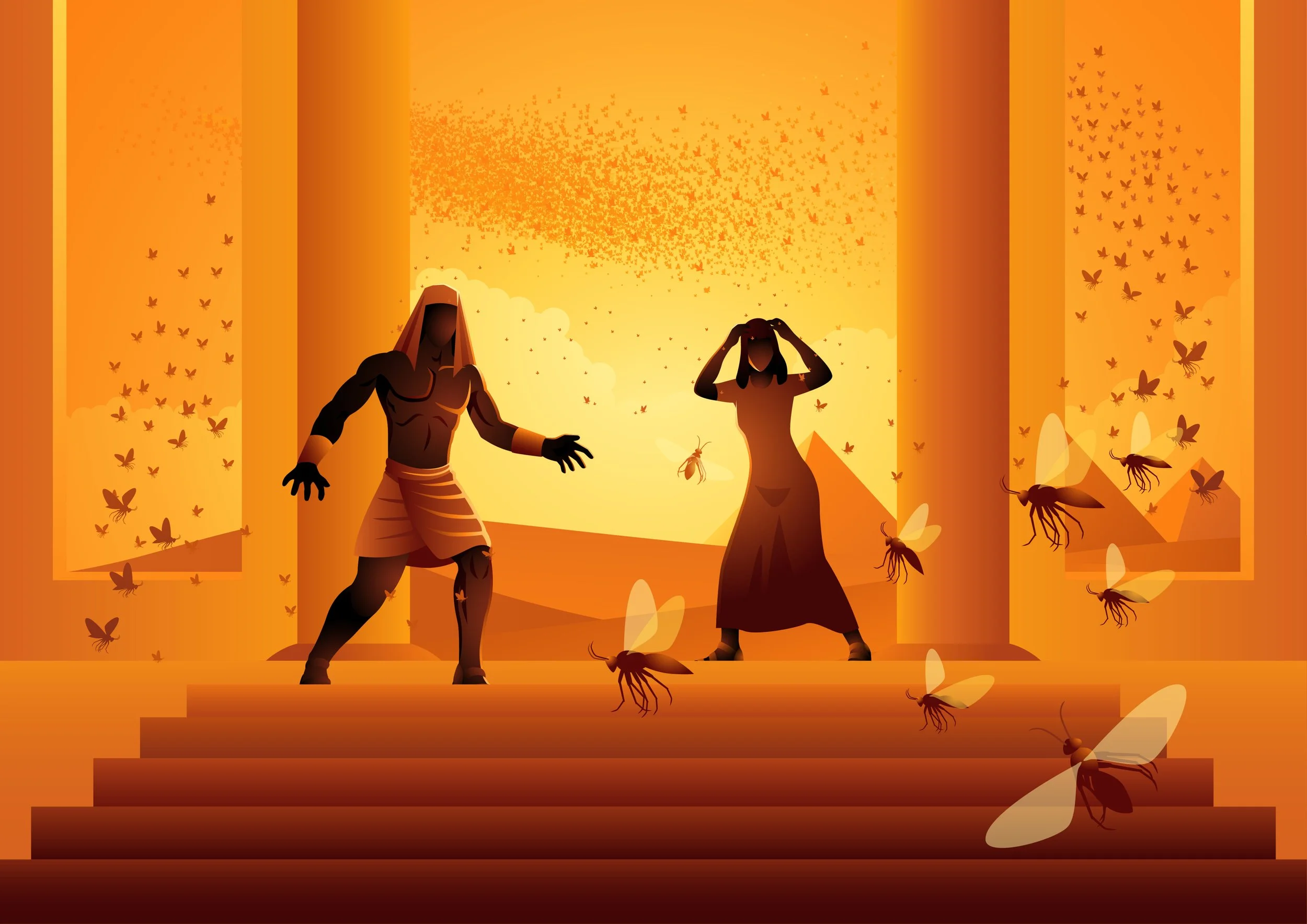
There’s something in each plague that applies to how we live as a follower of Jesus. Very practical. And helpful.
Grief is hard. But running from it is harder because when you run from the pain, you run from the healing, too.
I encourage you to think about the ways you’ve responded in leadership and be open to the ways God wants to lead you in His anointing.
One of the most disorienting realities of life is the way God brings good out of circumstances that appear anything but. Gets me nearly every time.
One of the most disorienting realities of life is the way God brings good out of circumstances that appear anything but. Gets me nearly every time.
The closer we come to Christ, the more honestly we see ourselves. But we also discover that God’s grace always exceeds what has been revealed.
We need to steer away from the temptation to make what we do about ourselves and to try to make God look better. We simply need to be faithful to our call to serve God.
We need help and support, and that support can come from our brothers and sisters who are no longer living, by means of their writings and their example.
Remember Christ’s robe this graduation season. Help the grad in your life to remember them, too.
Peace is not pretending everything is fine. Peace is knowing who is in the boat and learning how to sit down while the waves are still loud.