
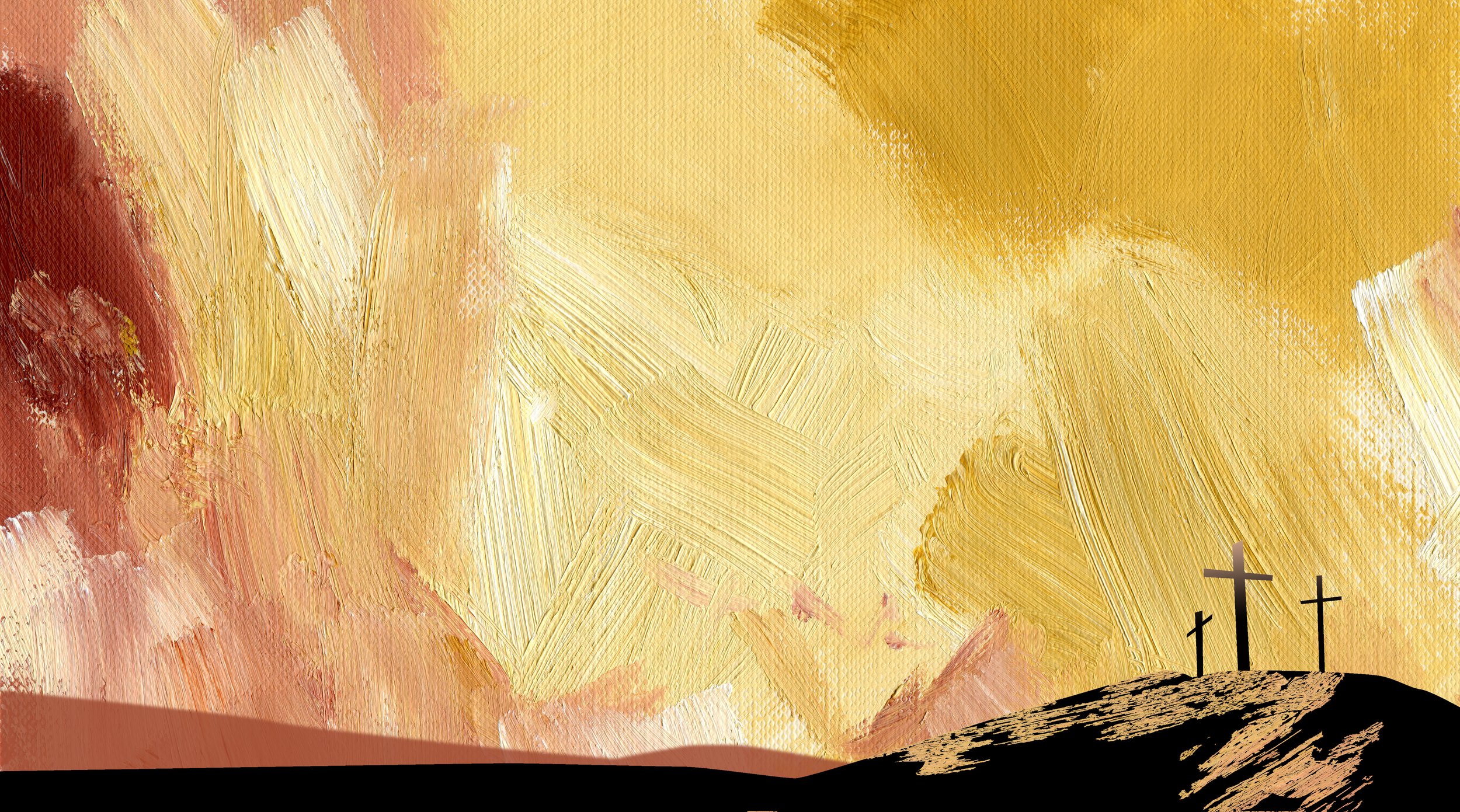
The Folly of the Cross, Acts 26:22-24
But God has helped me to this very day; so I stand here and testify to small and great alike. I am saying nothing beyond what the prophets and Moses said would happen – that the Messiah would suffer and, as the first to rise from the dead, would bring the message of light to his own people and to the Gentiles.” At this point Festus interrupted Paul’s defense. “You are out of your mind, Paul!” he shouted. “Your great learning is driving you insane.”
Acts 26 is about Paul’s defense before Agrippa. In it, he offers a detailed account of his conversion, his apostleship to the Gentiles, and the various ways God helped him face opposition from his own countrymen. In verse 23, Paul presents the heart of his preaching: the crucifixion and resurrection of Christ.
The resurrection of Christ has always been an offense to the human intellect. When the Athenians heard Paul speak about the resurrection, they laughed and dismissed him (Acts 17:32). In Festus’s case, the governor became exasperated and shouted in Paul’s face: “You are out of your mind!”
In the first century, crucifixion was a form of death typically reserved for the worst kind of criminals – comparable to the electric chair or lethal injection in our own time, only far more brutal and humiliating. The crucified victim hung naked, exposed to public scorn, mockery, and abuse. Dying on a cross was synonymous with the ultimate failure and the greatest of curses. And yet, Paul taught in Colossians 1:18b-20 that Jesus' death on the cross was a cosmic victory of good over evil:
[H]e is the beginning and the firstborn from among the dead, so that in everything he might have the supremacy. For God was pleased to have all his fullness dwell in him, and through him to reconcile to himself all things, whether things on earth or things in heaven, by making peace through his blood, shed on the cross.
Likewise, the letter to the Hebrews says, “...fixing our eyes on Jesus, the pioneer and perfecter of faith. For the joy set before him he endured the cross, scorning its shame, and sat down at the right hand of the throne of God” (Hebrews 12:2).
In Galatians 5:11, Paul states that the preaching of the cross of Christ as the means of salvation for the Gentiles had become a scandal to the Jews. Colossians 2:14 points out: “[H]aving canceled the charge of our legal indebtedness, which stood against us and condemned us; he has taken it away, nailing it to the cross.”
After several years of preaching the cross of Christ and his resurrection among Jews and Gentiles, Paul reaches the following conclusion in his first letter to the Corinthians:
For the message of the cross is foolishness to those who are perishing, but to us who are being saved it is the power of God…. Jews demand signs and Greeks look for wisdom, but we preach Christ crucified: a stumbling block to Jews and foolishness to Gentiles (1 Corinthians 1:18, 22-23).
The cross offends not only the intellect but also human pride, because it declares that we have all fallen short of the glory of God and exist in a state of spiritual death, in need of redemption, salvation, and forgiveness. Sin is like the venomous snakes that killed the Israelites in the wilderness – except for those who looked at the bronze serpent Moses erected at God’s command. That bronze serpent symbolized Christ lifted up on the cross: “Just as Moses lifted up the snake in the wilderness, so the Son of Man must be lifted up, that everyone who believes may have eternal life in him” (John 3:14–15).
No one can remain neutral regarding the cross of Jesus. Neither Festus nor Agrippa could. By rejecting Paul’s preaching, they – and every other unbelieving person in this world – stand condemned, for “Whoever believes in him is not condemned, but whoever does not believe stands condemned already because they have not believed in the name of God’s one and only Son” (John 3:18).