
Leadership Practices: Prayer
The Bible is chock full of prayers. Yet recently, a particular prayer from the Apostle Paul has been playing an active role in my own life and in the interactions I have with leaders. In Philippians, as Paul often does, he places a prayer in his letter. Right after his initial greetings, Paul names his prayer for a community of people that he cares deeply about. His prayer stunningly informs healthy leadership. Let’s take a look.
“I thank my God for every remembrance of you, always in every one of my prayers for all of you, praying with joy for your partnership in the gospel from the first day until now. I am confident of this, that the one who began a good work in you will continue to complete it until the day of Jesus Christ. It is right for me to think this way about all of you, because I hold you in my heart, for all of you are my partners in God’s grace, both in my imprisonment and in the defense and confirmation of the gospel. For God is my witness, how I long for all of you with the tender affection of Christ Jesus. And this is my prayer, that your love may overflow more and more with knowledge and full insight to help you to determine what really matters, so that in the day of Christ you may be pure and blameless, having produced the harvest of righteousness that comes through Jesus Christ for the glory and praise of God.” (Phil 1:3-11, NRSVu)
First, Paul leads with the reality that the work and life of the community rests in God’s action, not our own. The prayer is thanking God for the work God began and continues to do. Human perspectives quickly twist to thinking that the future of a congregation’s life rests on what we do rather than in God’s action. And sadly, we neglect to reckon with God’s active participation in our world. To join with Paul in prayer reorients us to the reality that God is the leader, and the well-being of our ministries rests ultimately in God’s action—not ours.
Second, Paul’s prayer aligns leaders to embrace the past, present, and future work of God. Often, in the middle of the crisis of the day, leaders can develop tunnel vision. They turn their entire attention to the present dilemma. When this happens, anxiety can rise while possible positive solutions seem scarce. Yet Paul’s prayer acknowledges that God is the one who began the work and that God continues the work until it is completed in the fulness of time. In other words, God is at work. With a full sense of God’s past, present, and future work, Christian leaders find comfort in God’s action, refuse to let anxiety rule the day, and exercise the imagination that comes when Christian people affirm God’s possibilities.
Third, Paul prays for his people as his colleagues and co-workers. The community that connects Paul to the Philippian congregation is deep, anchored in the acknowledged relationship that comes from God’s grace. Their shared relationship—due to God’s gracious action—propels Paul. His affection for the community comes from God’s love and is evidenced through their devotion to Paul and for his prayerful care and longing for them. Leaders pray for their people, for their well-being. They pray with gratitude for the ways that God has brought a community together and for their shared gospel work.
Fourth—and this is perhaps the most stunning element of Paul’s prayer—he prays for their love to grow. Paul is very keen on the Philippians staying focused on the most important things, that is, the things that really matter. Paul is interested in what leaders have always desired: to see their community flourish. He states his hope in v. 10: “that in the day of Christ you may be pure and blameless.” Leaders long for a rich harvest! The surprise is that, for Paul, the path to discerning the good way for a community begins with love. Paul’s prayer suggests that real love leads to knowledge. Leaders come to know things through practicing love. Love also brings insight or wisdom. Knowledge and wisdom give way to discernment and to knowing what is the best way forward.
Such a path of discovery sits at odds with usual practice. Congregational leaders may be tempted to play out a hunch, try what some other church has done, or impose their own will on a congregation. Yet Paul’s prayer leads contemporary leaders to a different kind of practice. What might happen to congregations if leaders practiced love as a way of discernment to what is best?
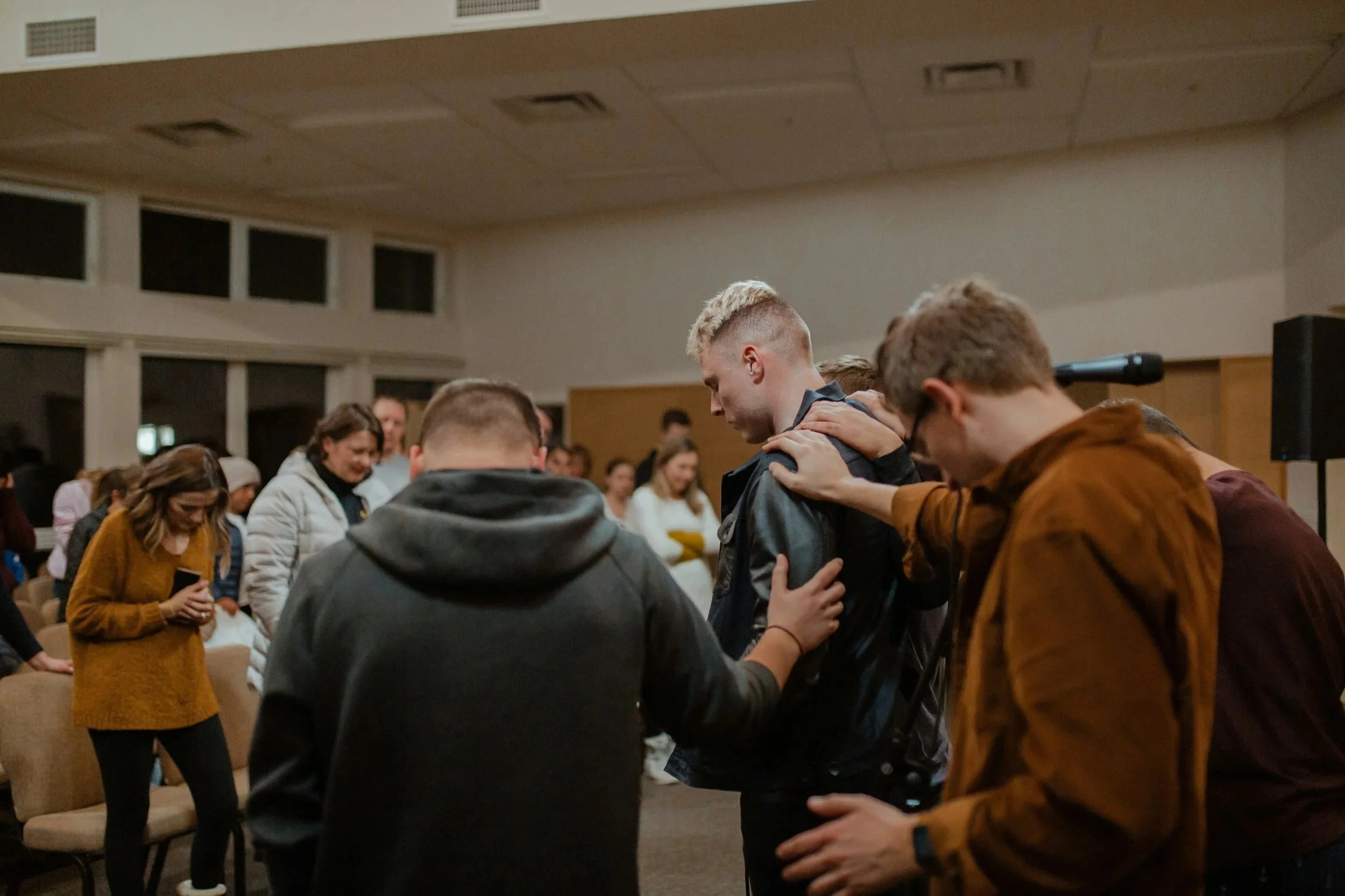
So, my invitation to leaders is simple. Pray with Paul. Pray for your community. Let your prayer reorient who the leader really is. Allow prayer to shape your vision for God’s presence in the community—past, present, and future. Take the time to pray for God’s blessings on the people God has entrusted to your care. And pray that God would cultivate your love for the people around you—trusting that with that love will come knowledge and insight that will shape the way leadership is expressed in your community. Because, like Paul, every leader wants to see God’s work in our communities lead to flourishing places!
Blessings,
Carson