Becoming an Intergenerational Learner
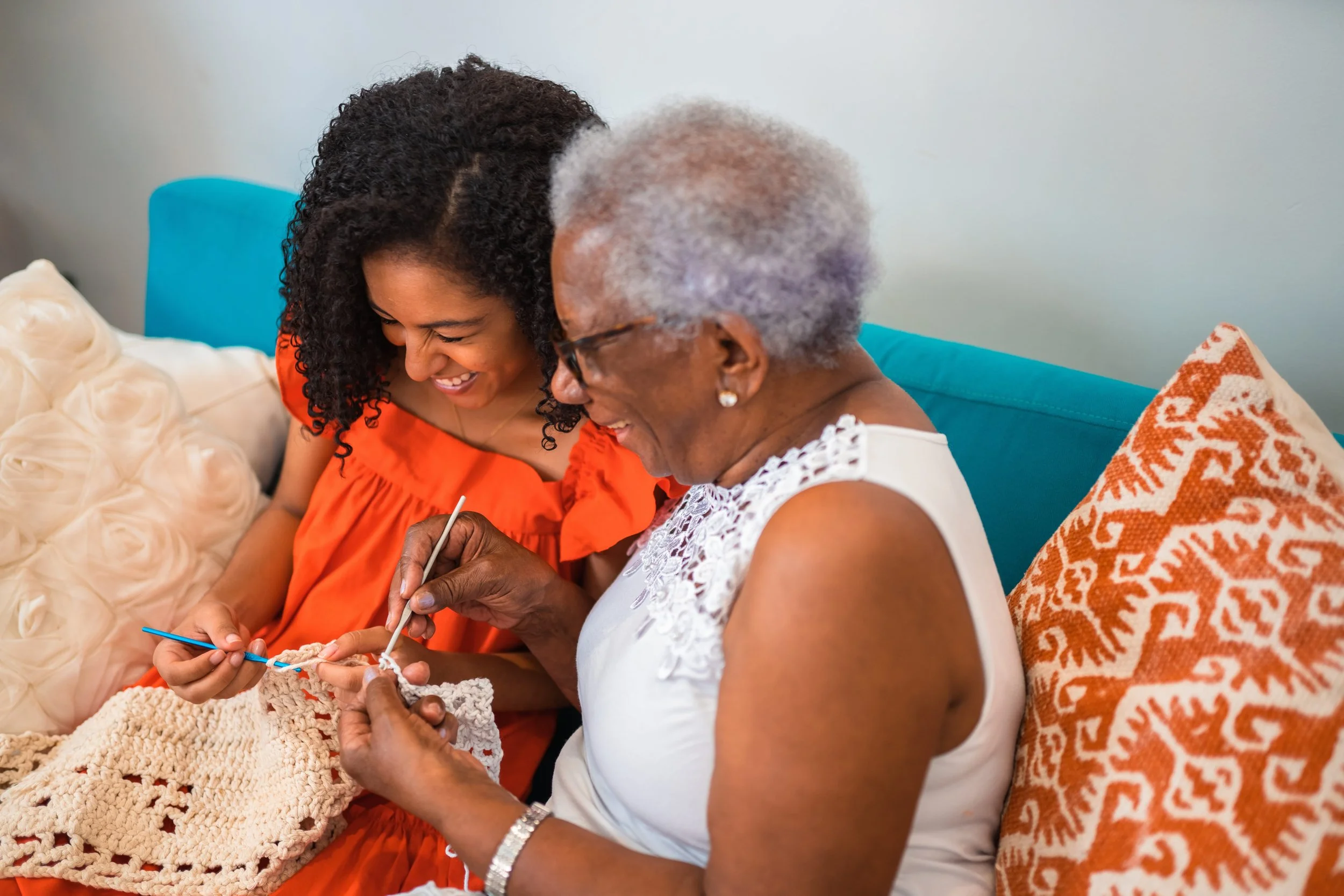
When Parker Palmer turned 80, he released a book of essays and letters reflecting on the twilight of his life called On the Brink of Everything: Grace, Gravity, and Getting Old (Oakland: Berrett-Koehler Publishers, 2018). Always a learner, he offered the book as a collection of wisdom received from mentors and mentees encountered. That willingness to glean from those both older and younger demonstrates an important posture in our lives: we have much to learn from every generation! This intergenerational attitude can be summed up in a quote from Palmer. He writes, “When young and old connect, it’s like joining the poles of a battery. Together, we generate energy for personal and social change that an age-segregated society cuts off.”
Developing an intergenerational spirit of learning is a skill we develop throughout our lives. A generationally dismissive spirit is an alternative path. Sometimes younger generations can roll their eyes towards anyone who might speak with graying hair. Other times older generations can write off anyone who might fall within a category labeled “young.” The result is a perpetuation of generational divides between groups. There is also an immediate impact to our own growth and development. We put ourselves in a position where we cannot be shaped and formed through our encounters with others of different ages and stages in life.
Therefore, an important call for all age groups is to begin to cultivate an “intergenerational spirit of learning” in our communities of faith. This means beginning to see the gifts that every age group—older and younger—has to offer to my life and the life of my church.
But how might an individual begin to develop this skill? I would like to offer a few suggestions based on my life and work within churches for the last twenty years.
First, keep an openness to God’s movement through every generation. The work of God through Scripture has always been an intergenerational movement. One might think of the incarnation of Jesus as the pinnacle of this conviction. Jesus and John are newborn babies. Elizabeth and Zechariah are both getting on in years. Mary and Joseph are a young couple pledged to be married. The shepherds are likely somewhere in the middle of these age extremes. Simeon is near the end of his life, and Anna the prophet is eighty-four years old. A variety of ages and stages of life weave together to bring about the entrance of Jesus. The same is possible within our congregation if we make space for such movement. Churches can move in this direction by asking: Are we open to this intergenerational movement of God in our lives today? In your community of faith, find ways where you can name how God is working in the various age groups within a church. Try naming them in the worship gathering, print them in the bulletin, and keep teaching your church about the priority of every generation.
Second, look for the gifts that other generations have to offer. A central metaphor used through Scripture is that of the body of Christ. In Paul’s letter to the Ephesians, he talks about gifts given to the community. To begin this reflection, he says to the church, “But to each one of us grace has been given as Christ apportioned it” (Ephesians 3:7, NIV). Paul believes that everyone in a congregation has some kind of grace—a gift—and that the rest of the body can benefit from it. Everyone in a congregation has received some gift of grace. Therefore, churches can start asking: Are we creating spaces in our communities of faith where we get to experience and encounter the gifts of every age? Evaluate your church through this lens. Consider the different arenas of your church by asking if we are currently giving attention to every age group to contribute—in things like leadership, worship, and service opportunities.
Third, be willing to offer what you have in the life of your community. Not all learning is about receiving; it is also about giving. That is when the sparks of connection can happen. This is especially true of older individuals in churches. They have so much wisdom and experience to offer. Yet, I can recount numerous older adults who questioned if they had a role to play or anything to offer to their church. The answer is yes! But it first takes an internal conviction that I matter and that God has given me things to offer. Ask yourself: What are some of the gifts that I can give to my church that can help, encourage, or build up someone in my midst? Time, resources, mentoring and words of blessing are just a few of the things I have witnessed older adults offer to make an impact in their churches.
These three ways are steps toward the skill of becoming an intergenerational learner. We open ourselves to the God of every generation. We look for the gifts around us in our community. We look within to see how God has shaped and formed us, and we offer that to others. When that happens, sparks of the Spirit will move through our lives and the lives of our communities of faith. All of us will be better formed when we become these kinds of people. As Parker Palmer discovered in his eightieth year, the wisdom we need is already present among us—we need only create the spaces to receive it.