As chaplains, our role is to serve as ambassadors for human dignity, stepping in to remind patients and staff of their inherent worth whenever they lose sight of it.

All tagged chaplaincy
As chaplains, our role is to serve as ambassadors for human dignity, stepping in to remind patients and staff of their inherent worth whenever they lose sight of it.
Through a visit with Nell, I found my stereotypes of homeless people challenged.
This was the moment I realized that what brings joy to one person may bring a sense of loss and distress to another. Then it led me to a deeper question…
I had not yet fully internalized just how beautifully diverse Muslims in the United States truly are, and how this immense diversity serves as a rich opportunity for a chaplain’s clinical growth.
Latino cultural norms often encourage open emotional expression. Chaplains can support families by offering calm presence, providing space to openly grieve, and validating these expressions.
The realities of history mean that, when a chaplain enters the African American patient’s room, there is often an unspoken wall already standing—not built from disrespect, but from a lack of trust.
As chaplains, we cannot be merely informed about trauma; we must be trauma-responsive.
Instead of minimizing or dismissing the emotions one carries in a moment of trauma, lament offers a space to directly name the hurt of the painful moment.
To say that trauma and traumatic experiences are hard is an understatement, because they are indescribable. Even the journey of recovery is complicated.
What I have found, though, is that families in crisis rarely need an ethics lecture. They need permission: permission to grieve, permission to be afraid, and permission to believe that letting go of aggressive treatment is not the same as letting go of the person they love.
I am a navigator in the various intersections of hopes and fears emerging into ethical dilemmas unfolding in the ICU. Within the hospital setting, chaplains offer emotional support and spiritual care services as members of the patient care team while simultaneously addressing ethical considerations by upholding confidentiality and impartiality.
We are skilled professionals, capable of having difficult conversations in moments of crisis. We can share hard news and provide education about options in ways that are compassionate and loving. What we cannot do, though, is presume to know the best way for someone to die.
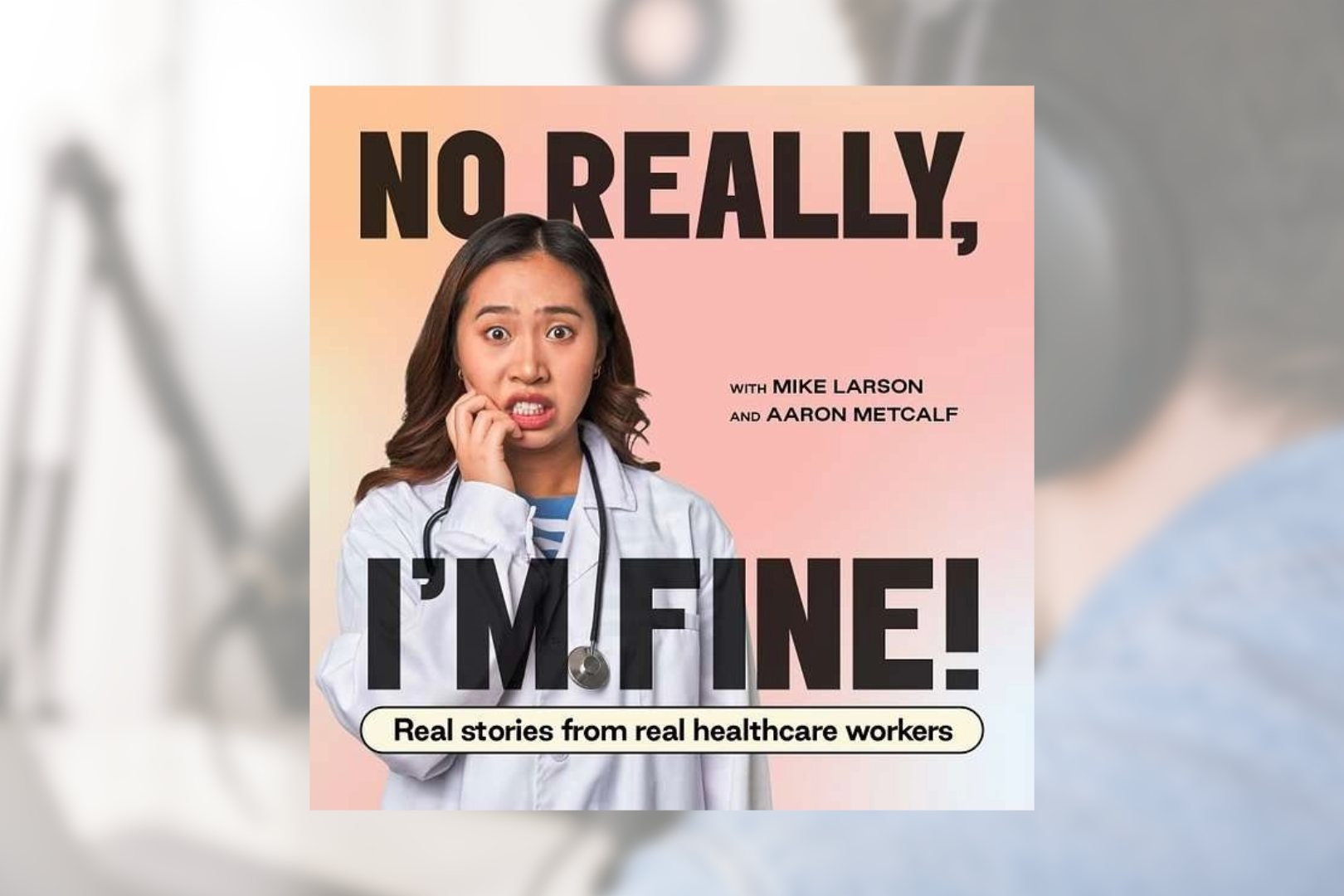
In their podcast No Really, I’m Fine, board-certified chaplains Aaron Metcalf and Mike Larson talk with healthcare workers in their Portland hospital about the stresses they face and how they cope emotionally with the daily demands of their jobs. The stories told in the episodes are authentic, heart-warming, and sometimes heart-wrenching accounts of real life in the trenches.
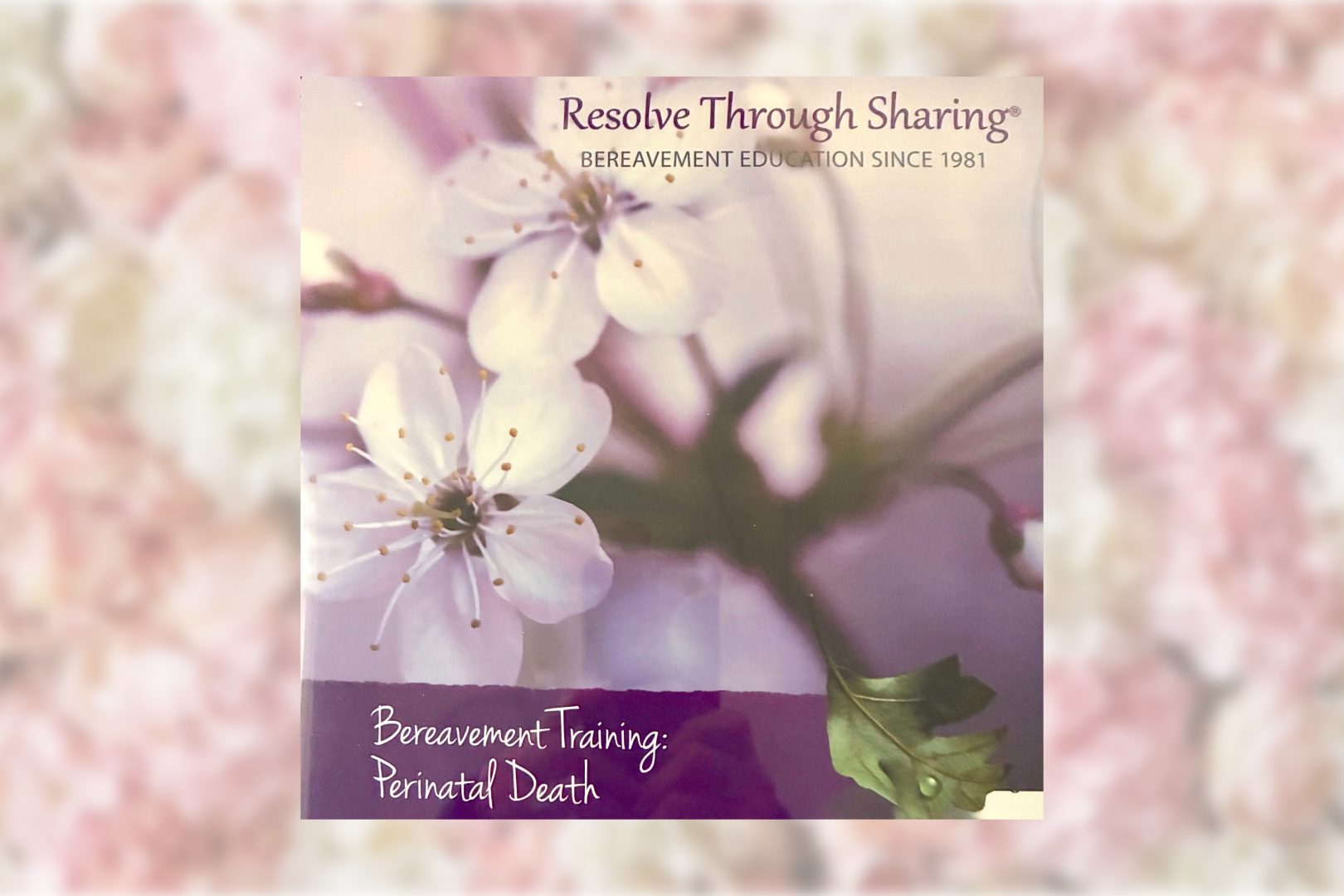
“RTS Bereavement Training: Perinatal Death” is a 10-hour online training program that focuses on caring for families experiencing early pregnancy loss, ectopic pregnancy, life-limiting diagnosis, stillbirth and newborn death. Topics include foundational relationship-based concepts and theories, grief and bereavement, communication skills, meaning-making projects, perinatal mental health, self-care and more.
The Ministry of Presence may be in break rooms, cafeterias, or even in the parking lot when walking to or from work. Military Chaplains ensure they are present by doing what soldiers, sailors, airmen, defenders, and marines do. This means going out for field training, airborne operations, physical training, and deployments.
So much of my ministry is about non-anxious listening without a rush to judgment, which can be incredibly difficult! And I often compare it to the ministry of pulling rocks out of soil rather than reaping the harvest, because so many come with a troubled history with Christianity and “organized religion.”
I have heard the prayers of a person with dementia after someone prayed with them and, although to our ear it may be difficult to understand, the Lord knows their heart inside and out. It is such a beautiful thing to witness. The Lord's Prayer is often familiar to those with a spiritual background and can bring a sense of peace.
Before we were, He was and is already in the womb… that sacred place where nothing is hidden, unseen, unknown, unspoken, or unloved from Him. God’s presence in our created being is described as being with us in our innermost parts; woven together; the way we think and feel; knit together in an unformed body; put together.
I am a professional spiritual care giver, and it is an honor to provide that relational presence to folks whose condition often leaves them vulnerable and isolated. I have learned to honor family members' choices about how best to interact with their loved one. And occasionally, I have provided emotional support to those trying to cope with the grief that comes with having a family member suffering from dementia.
I would grow to be endeared by Sterling’s humor, caring nature, and honesty in the face of death. Sterling was not a particularly religious person, holding no particular allegiances to any established faith. We had very little personally in common, but sometimes you just click with someone.