Cultural Components of Grieving in Latino Populations
Grief in Latino communities is shaped by deep cultural, spiritual, and familial traditions. While practices vary across countries and regions, several common themes help chaplains understand how many Latino individuals and families experience loss.
Family-Centered Grief
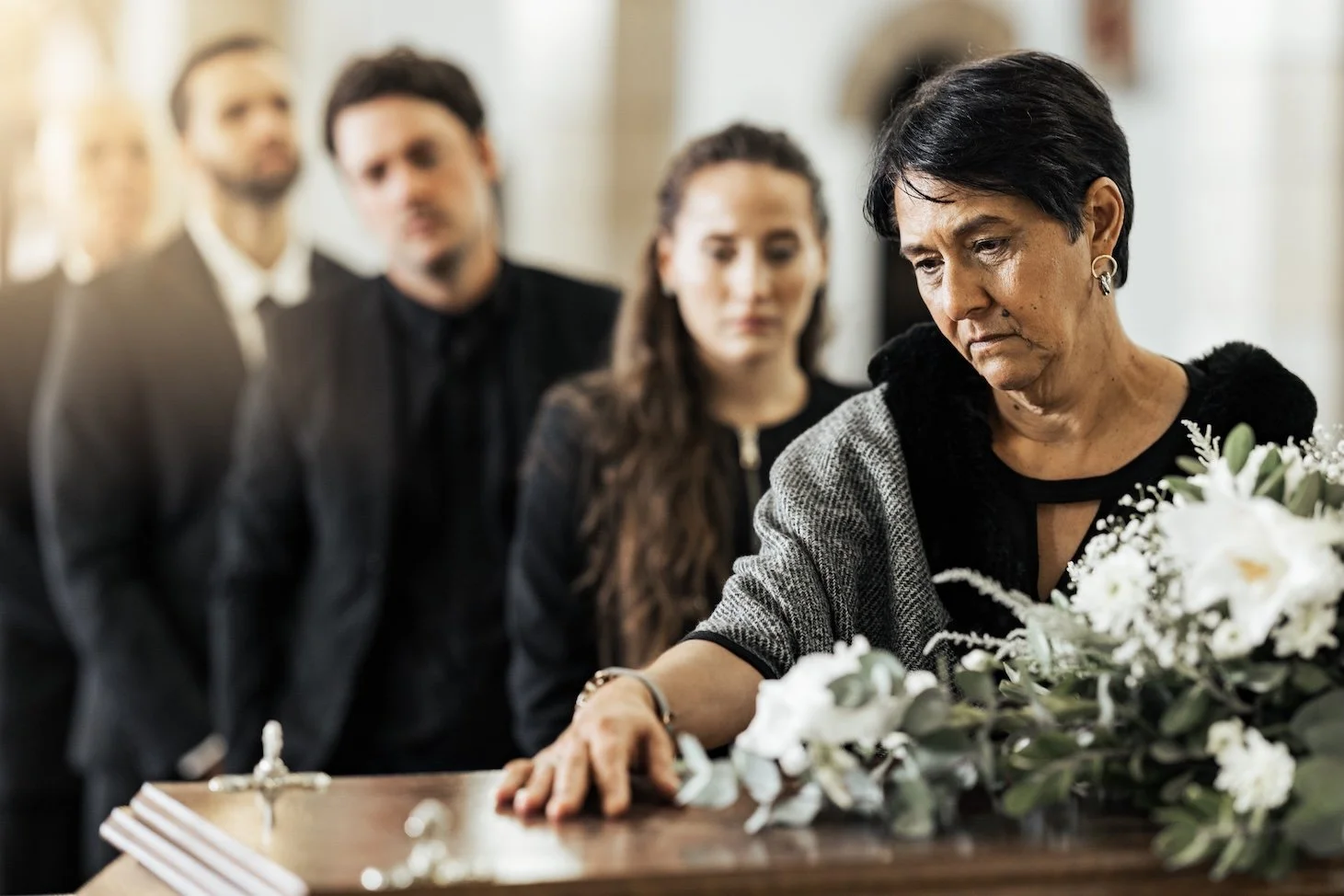
Latino grieving is often communal rather than individual. Family members – including extended relatives – gather quickly to support one another, make decisions collectively, and accompany the dying person. Chaplains should expect large family presence, shared storytelling, and collective expressions of emotion.
Spiritual and Religious Expressions
Although in many families Catholicism plays a significant role, there are many Indigenous, Protestant, Pentecostal, and syncretistic traditions which are also present. Common practices include:
Praying the Rosary, the Our Father, Psalm 23, etc.
Requesting blessings or sacramental rituals
Bringing religious items such as scapulars, rosaries, candles, or images of saints
Seeking clergy presence at the bedside
Faith is often a primary source of comfort, meaning, and resilience.
Emotional Expression
Latino cultural norms often encourage open emotional expression. Tears, wailing, physical closeness, and visible displays of grief may be common and should be understood as culturally appropriate. Chaplains can support families by offering calm presence, physical (and private) space to openly grieve, and validating these expressions. There was a time when a chaplain advocated with hospice staff to make room for an unplanned farewell service/ritual for over 50 persons who were coming to see a deceased Central American Mayan woman at the time of death. They were not all extended family, but they were extended community from different religious traditions. Solidarity and cultural affinity seemed to take precedence over religious differences.
Rituals and Traditions
Many Latino families incorporate meaningful rituals into the grieving process, such as:
Novena prayers – nine days of prayer following a death
Prayers of commendation – Family gathers to say goodbye at the time of death.
Día de los Muertos traditions – honoring ancestors with altars, photos, and offerings
Velorios – wakes that include prayer, music, food, and community gathering
Memorial objects – candles, flowers, and photos placed near the patient
Scriptural readings – texts that are traditionally read at the time of death and grief
These rituals help families maintain connection with the deceased and express collective grief.
Respect and protection for Elders, Minors and Decision-Making
In many Latino families, elders or specific family members (often matriarchs or patriarchs) hold significant authority in medical and spiritual decisions. Chaplains should be attentive to family hierarchy and ask respectfully who should be consulted, or who needs to be present at the time of decision-making or grief. I remember a time when, at the death of a child, the chaplain advocated for the father of the child to not take the body to the morgue until the father arrived from a 6-hour flight from a Latin American country.
Cultural Values: Respeto, Personalismo, and Fatalismo
Several cultural values may shape the grieving process:
Respeto — showing respect through courtesy, formality, and deference. Intentional protective actions for vulnerable populations (children, poor, undocumented, the elderly etc.).
Personalismo — valuing warm, personal relationships with caregivers even when they are not part of the “extended” family. The subject of who is considered extended family is almost foreign to many Latino families. You are either family or not. There are no extensions or other qualifications. Families make those decisions.
Fatalismo — a belief that certain events are part of God’s will or destiny, which may influence acceptance of illness or death. A non-judgmental theological reflection invitation might be appreciated by the family, even if different from the chaplain’s own spiritual perspective.
Understanding these values helps chaplains communicate in ways that feel culturally aligned and supportive.
How Chaplains Can Provide Culturally Sensitive Support
If feasible and possible, offer spiritual support and grief support in the language of the heard (i.e., Spanish). Translated prayers may lose significance and impact.
Approach families with warmth, presence, and relational connection.
Ask about preferred rituals, prayers, or religious practices.
Recognize and accommodate large family gatherings (explained above).
Affirm and respect emotional expression as valid and meaningful.
Respect family hierarchy and decision-making structures.
Collaborate with clergy or other faith leaders when requested. Remember not to assume that Catholicism is their practicing spiritual tradition, even if it is frequently the case within Latino families, especially within the U.S. cultural context.
Offer time, space for storytelling, prayer, and communal grieving.