Grief is hard. But running from it is harder because when you run from the pain, you run from the healing, too.


All tagged grief
Grief is hard. But running from it is harder because when you run from the pain, you run from the healing, too.
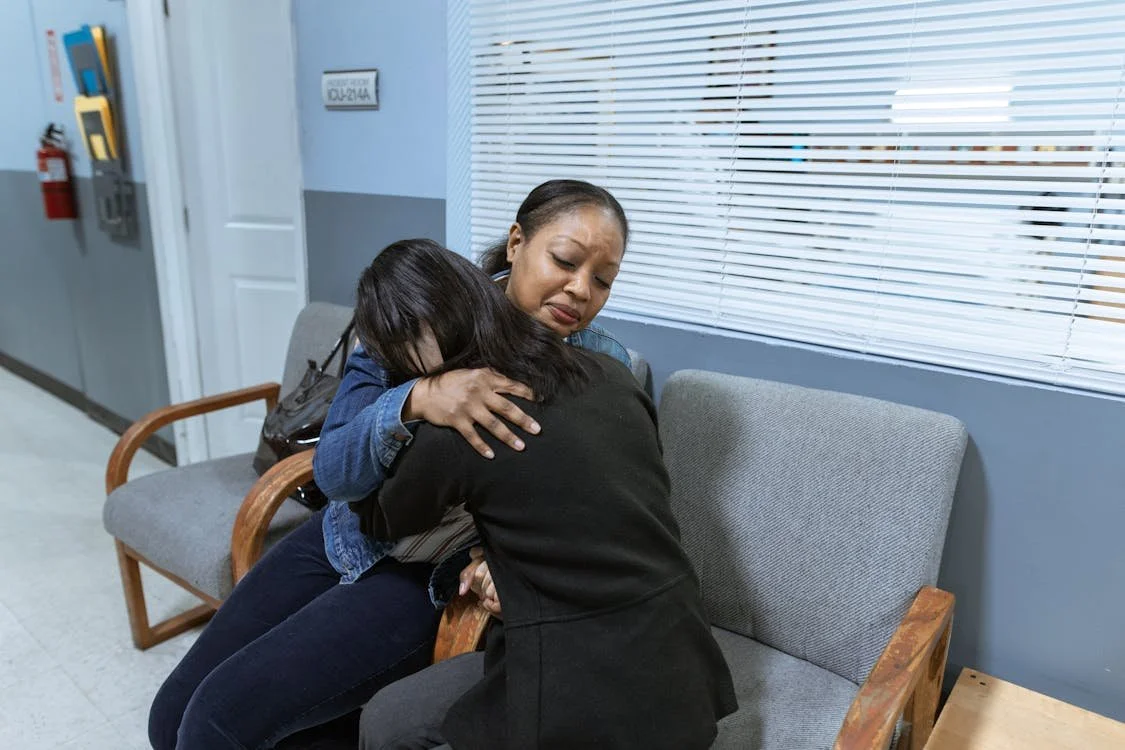
Latino cultural norms often encourage open emotional expression. Chaplains can support families by offering calm presence, providing space to openly grieve, and validating these expressions.
Instead of minimizing or dismissing the emotions one carries in a moment of trauma, lament offers a space to directly name the hurt of the painful moment.
I am a navigator in the various intersections of hopes and fears emerging into ethical dilemmas unfolding in the ICU. Within the hospital setting, chaplains offer emotional support and spiritual care services as members of the patient care team while simultaneously addressing ethical considerations by upholding confidentiality and impartiality.
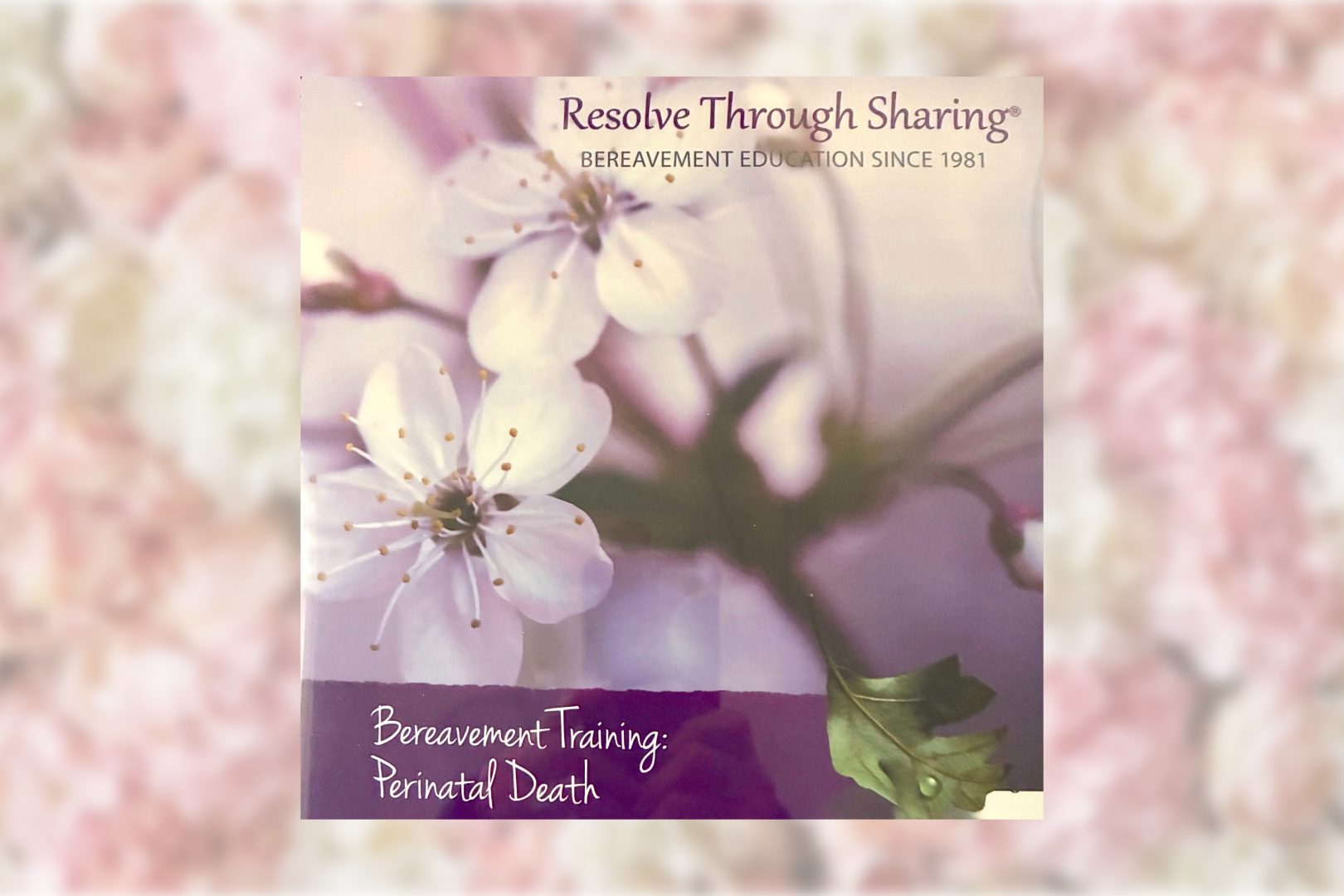
“RTS Bereavement Training: Perinatal Death” is a 10-hour online training program that focuses on caring for families experiencing early pregnancy loss, ectopic pregnancy, life-limiting diagnosis, stillbirth and newborn death. Topics include foundational relationship-based concepts and theories, grief and bereavement, communication skills, meaning-making projects, perinatal mental health, self-care and more.
When we believe, we share in his death through baptism. We live in community, partaking of his body and blood when we assemble together. But life is still hard. Jesus himself reminded his followers that they would have trouble in this world—but to take heart because he has overcome the world.
This year, as we embark on new endeavors and seek to build and foster relationships that align more closely with our purpose, let us remember that God is ever-present, guiding us through each change and loss. In moments of despair, we should recognize these opportunities for growth and be willing to step into the newness of life God offers us.
Professionally, Chaplains are expected to gain self-awareness. I already noted how personal identity is formed through the connecting links of stories, and awareness of this helps identify the stories of others. The motivations for a calling to ministry can be numerous and sometimes may appear self-serving.
We can strengthen our ministry when we take the time to surface these perspectives so that we can refine and use them intentionally.
Many times, we care for those who are sick and in need of comfort, forgetting the men and women who care for the sick and dying. Let us lift them up in prayer daily.
While God is the source of our spirituality, let us dig deeper and consider what is spiritual to us and how might it benefit us.
I think what this boils down to is this question set: Can I be actually okay with not getting my way? Is it okay if the thing I desperately want just doesn’t happen?
When we offer forgiveness it is not of benefit to that person, but instead we can see the true benefit to ourselves of forgiveness
In moments of disorienting devastation, it is not uncommon to direct our hurt and displeasure toward God. God can handle us weeping through our prayers or railing in rage.
We recently sat down for virtual conversations with our church host (Chris Benjamin) and our breakout session leaders (Mark Hamilton, Grady King, John Knox, Roland Orr, and David Wray).
We recently sat down for virtual conversations with our keynote speaker (Don McLaughlin) and our breakout session leaders (Cheryl Bacon, Eddie Sharp, Dennis Conner, Omar Palafox, and Carson Reed).
Grief is real, but so is hope. And hope in Jesus carries us through the grief all the way home.
My challenge that day was complicated: keep walking uphill while fighting the wind and trying to find the next trail marker amidst the fog.
When we would rather erase the previous period of time rather than reflect on it, it may be that burnout, fatigue, or just plain discouragement is impeding our ability to feel anticipation or excitement about the future.
As church leaders, parents, and invested adults, I know we all see this need for supporting children through times of grief. I want to share a little perspective and some resources that I pray you find helpful.