
Rhythms to Abide in Living Water
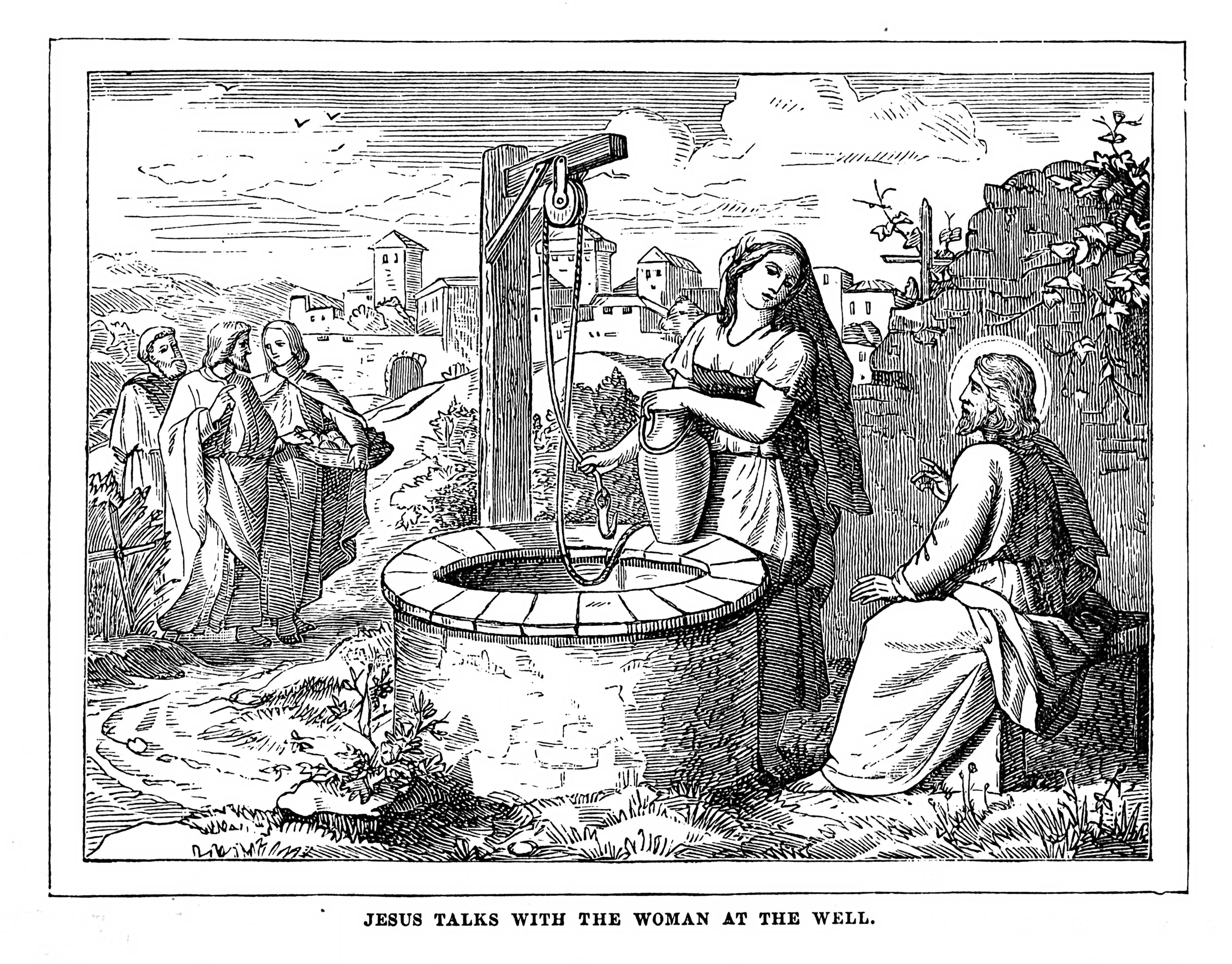
Jesus said to her, “Everyone who drinks of this water will be thirsty again, but whoever drinks of the water that I will give him will never be thirsty again. The water that I will give him will become in him a spring of water welling up to eternal life.” The woman said to him, “Sir, give me this water, so that I will not be thirsty or have to come here to draw water.” (John 4:13-15, ESV)
There are many reasons to come back to the story of Jesus and the Woman at the Well, but most recently what has brought me back is to better understand the sustained journey of faith Jesus talks about. This story teaches believers, both new and old, the importance of coming to the well. In my context, there is a sense of dissonance where a new believer makes the decision to follow Jesus and partake of the living water He talks about, but months later finds themselves returning to a well they knew before Him – a well that always runs dry. While Jesus promises living water that will cause us never to be thirsty again, there are some assumptions that we don’t always talk about when helping one another understand the promise Jesus has made.
I want to put this idea of partaking in the living water in partnership with the command Jesus shares in John 15:4: “Abide in Me, and I in you. As the branch cannot bear fruit of itself, unless it abides in the vine, neither can you, unless you abide in Me.” There are many in our churches who experienced a transformational encounter with Jesus at the well. After that encounter, they were convinced life would be abundant and without thirst, but they felt disillusioned when their temptations and burdens lingered and lured them back to their old, dried-up well. Many of our students in campus ministry have or are facing this reality, and I believe it extends into the church. So what do we do with our thirst?
Jeremiah talks about how God’s people traded their life in God for false idols: “But my people have changed their glory for that which does not profit for my people have committed two evils: they have forsaken me, the fountain of living waters, and built cisterns for themselves, broken cisterns that can hold no water.” (Jeremiah 2:11-13) This is the story of our ancestors in faith, and it can so easily become our story if we do not commit with faithfulness to rhythms that help us abide and tend to the spring of living water flowing inside of us. When we don’t abide, we become the people who forsake the living water and build wells of our own that are broken and hold no water for our souls.
While living water is eternal, Jesus reminds and invites us to take seriously the tending of our souls by faithfully abiding in Him. In my faith community, we brainstormed ways for us to practice this tending together. We decided that each month we would commit to a community spiritual rhythm, which was inspired by the monastic tradition of practicing a Rule of Life. These rhythms include rest, simplicity, study, play, service, submission, grief, prayer, etc. During the month, we agree as a community to intentionally practice the community rhythm with the goal of cultivating greater depth and faithfulness to God. For each rhythm, whether we are praying, reading scripture, taking a test, eating a slice of pizza or doing nothing at all, we agree to approach that task with the lens of our rhythm.
For example, if our theme is “rest,” we might ask these questions: How might I pray with rest in mind? How might God want me to find rest while getting my groceries? What would it look like for God to give me rest as I take this test? The spiritual rhythm is a commitment to see how God would have us experience our daily lives differently when we ask Him what He would want us to see, do or experience in that moment. Through practice, our consistency, commitment and quality of relationship with God improves both individually and in our shared community as we are mindful to let God’s Spirit reign in our hearts so that the spring of life can flow eternally.
To know what it means to abide is to begin practicing the steps to do so, and eventually it will just become a part of our nature to see our life through a range of rhythms that help us invite God near as He draws near to us. The woman at the well came to the well every single day because it was the only way to sustain her thirst. In the same way, if we are to take seriously the tending of our souls, we must make rhythms that keep us coming back to God every single day. Of course, Jesus is always offering us living water, but we have to be a vessel that is not broken and dry, but rather prepared to receive and preserve it by the power of the Spirit. In practicing these rhythms, we partner with the Spirit to ensure that our hearts and hands are open to God’s leading, and that our body is a temple suitable for the Spirit to reside in as the Spirit sustains us by the spring of living water that never runs dry.