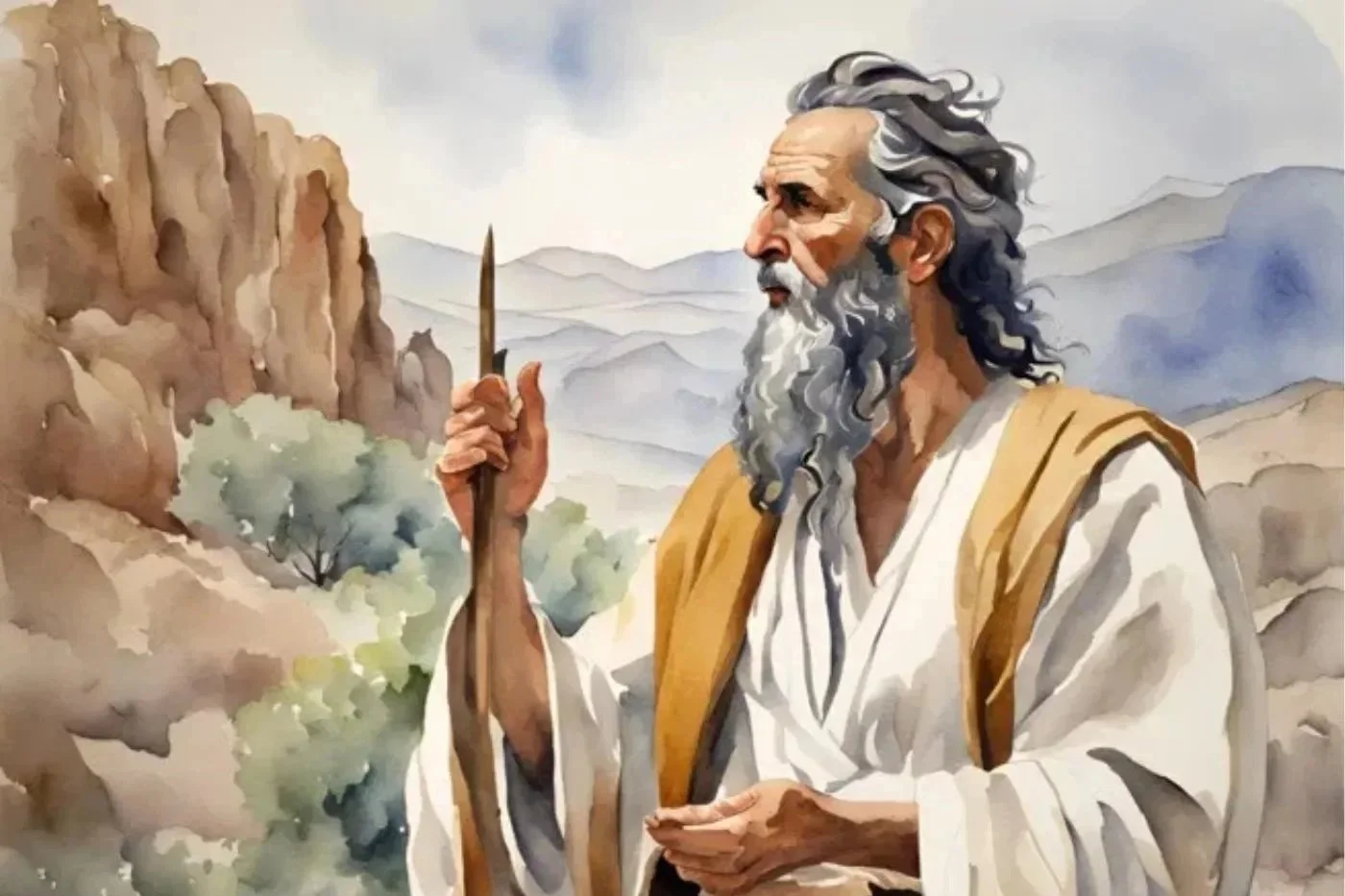
By empowering and encouraging rising generations of leaders, you have the opportunity to faithfully steward the responsibility of those whom God has entrusted to your care.
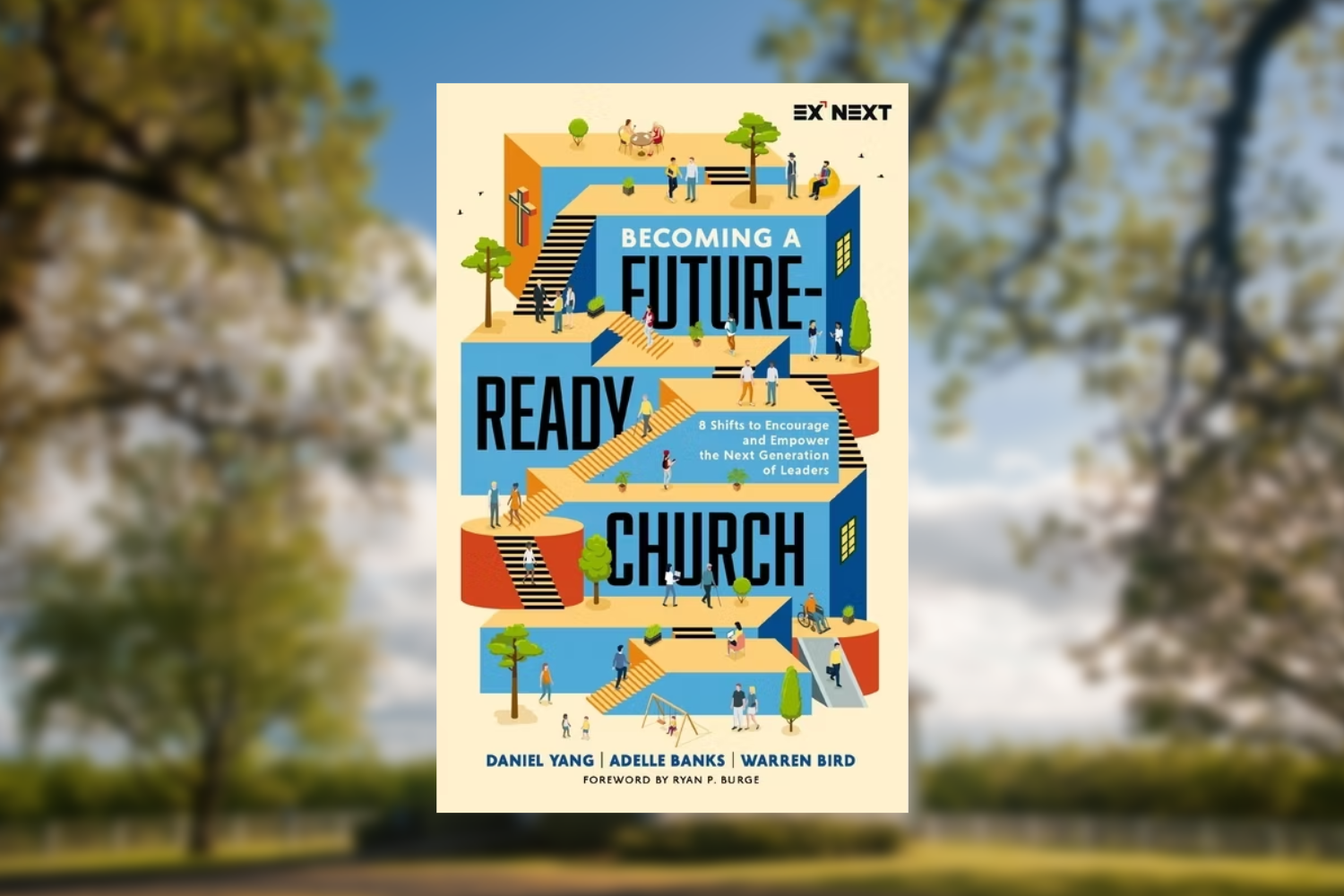

All in Church
By empowering and encouraging rising generations of leaders, you have the opportunity to faithfully steward the responsibility of those whom God has entrusted to your care.
The Twelve Minor Prophets remind us that today’s hot trends sometimes become tomorrow’s embarrassing discards, while seemingly obscure or insignificant things can assume great importance in the future.
The main lesson of the past is not to overvalue the past. Distinguish between right and wrong, good and evil, mercy and cruelty, hope and despair. Without that ability to see clearly the stakes and the stakeholders of the moment, we all perish. With it, we live.
Zechariah is probably not commenting on the literal immortality of one group of people or extinction of others. He means instead that the prophetic word and therefore the witness of the prophets’ lives continues to exert a powerful influence. They spoke in ways that others must reckon with.
Worship centers on God—God’s character as the source of all mercy and love and justice, God’s infinity, God’s majesty and mystery. In contemplating God, we see our own sin, our need for redemption and protection, as well as the possibilities of profound spiritual growth.
Why should we listen to these prophets? We could start with the obvious: these texts were part of the Bible of Jesus and the apostles. Who would we be to reject the words our Lord took to heart?
Ministry rarely offers a choice between one building project or the other. Instead, it requires constant movement between both approaches. Leaders spend time honoring and remodeling inherited structures while also investing energy imagining and innovating new possibilities.
It can be ok that that other church or denomination is more successful in our town; we don’t have to find fault with them or let jealousy steal our hearts. It can be ok that, in the past, our groups have had significant conflict; not all inter-group conflict is resolvable, and sometimes we just have to lay down our weapons and move on, seeking first God’s kingdom and righteousness.
I think what we’ve missed is that some matters of church life and spirituality aren’t a matter of right and wrong. To be certain, some matters are quite clear, but it’s not as common as we think. In some cases, we’re dealing with a continuum that might include a wide range of possible answers. In other cases, there’s ambiguity as to which position might be right.
Ever been disfellowshipped? If so, you know some of the pain that can be there. Despite its positive foundation, it is a way that Christian behavior mirrors some of the most damaging and painful tendencies of our modern world.
Christ’s life becomes our life. Christ’s death becomes our death. And Christ’s resurrection will become our resurrection. Because in Christ, and through Christ, and with Christ, we are drawn out of the river of sin and death that all started at a town called Adam.
The CHA is a survey designed to gauge a church’s health and facilitate essential conversations within the congregation. It measures nine factors of church health: vision, ministries, family life stages, spiritual formation, worship, congregational culture, leadership, church relationships, and budget/finance.
I know that, in my home church, we are all-in on making disciples. Kingdom growth. I spend a lot of time talking to church leaders about reaching lost people. That is the dream that I want to be real in my life and my church.
In order to evangelize in a way that is responsive to our communities, we need to place ourselves in the role of learners, entering into a two-way dialogue. We need to practice both observation and active listening. We need to listen without judgement as we seek to understand what others are saying, feeling, and doing.
Most congregations are already creating worship services, small-group experiences, and service opportunities that embody intergenerational ministry. However, many church leaders do not give language to these dynamics. Therefore, I always remind leaders to begin using language that describes for their church where intergenerational moments are happening.
What does it look like to move from exclusion to representation to inclusion? It was a hard question to wrestle with because it meant that we had to acknowledge all of the ways that we were falling short.
Contextualization is at the very center of the church’s mission. Christian congregations must know their context as they live out the gospel of Jesus. In other words, church leaders should understand why their church exists and what their God-given mission really is. This is not some fringe part of a church’s existence but is central to its very purpose.
Intergenerational ministry is a vision of the church that takes seriously Paul’s vision of what it means to be “in Christ.” Those generational barriers that often divide or rank us are reconsidered in light of Christ. In the Body of Christ, every part is equal and matters to the collective whole. Every part offers something, and every other part is made better for that contribution.
Ministers may think that they want honest input or feedback, but their actions speak otherwise. When a leader asks for input but then immediately shares their own opinion before receiving feedback, it can create several potential dynamics—sometimes positive, but mostly negative if it happens too often.
Intergenerational moments go beyond this mere sharing of the same physical space. These experiences occur when the pews turn into circles, allowing different generations to engage deeply with each other in meaningful ways. Instead of simply co-existing in location, there are opportunities for real connection, conversation, and contribution from every age group.