
Not Giving Up: Reframing the Ethics of Allowing a Natural Death
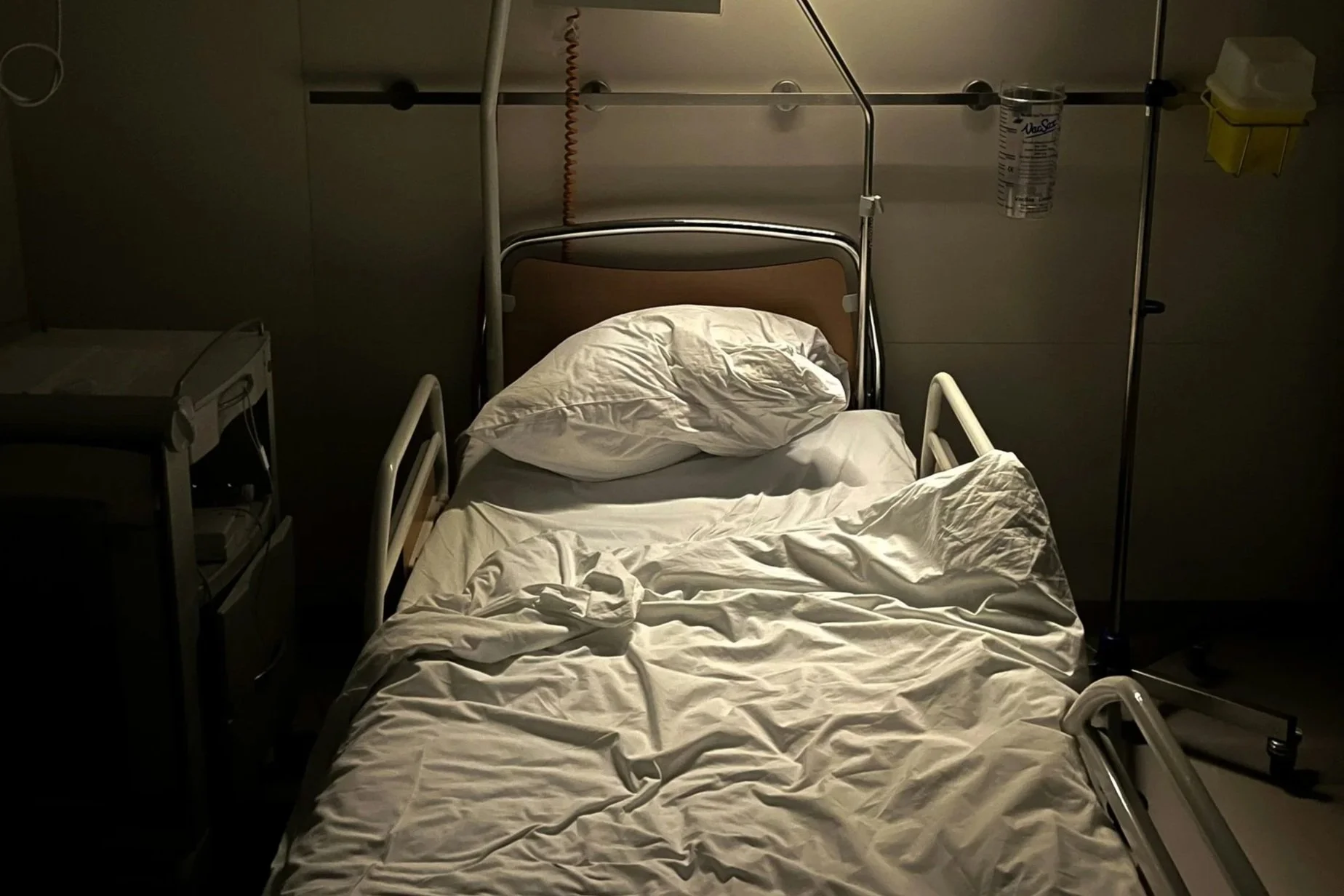
She sat at the edge of her husband's hospital bed, rosary beads threaded through her fingers, and asked me the question I have heard more times than I can count: "Bill wouldn't want us to give up on him. If we stop treatment, aren't we just… letting him die? Isn't that the same as killing him?"
Her husband was eighty-one. Metastatic cancer. Three rounds of chemotherapy had purchased a few weeks of faint hope but had exacted a terrible cost. The oncologist had been gentle but honest: further intervention would not change the inevitable outcome. It would only change the character of his remaining days. And now his wife, a woman of deep, lifelong faith, was paralyzed. She believed that choosing comfort care meant choosing death. And choosing death, she believed, was sin.
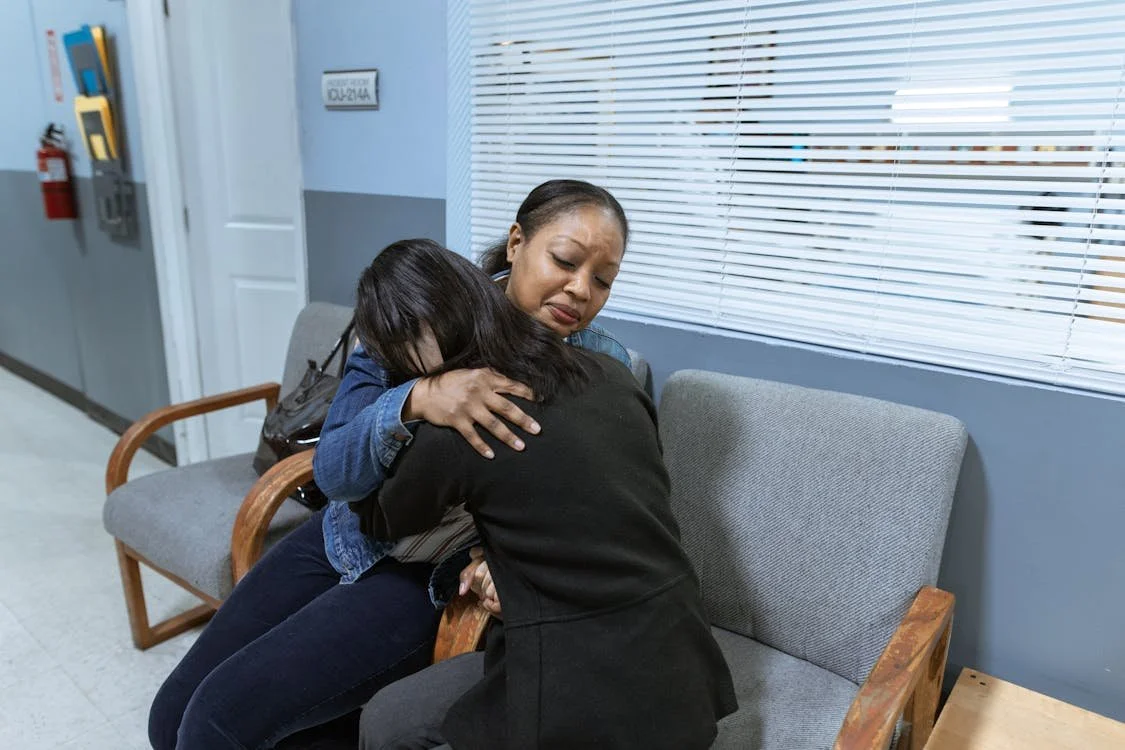
This is one of the most common and most painful dilemmas I encounter as a palliative care chaplain. It arises almost exclusively among patients and families of sincere religious conviction, people for whom the sanctity of life is not an abstraction but a core commitment. They hear "hospice" and understand "surrender." They hear "comfort measures" and fear "passive suicide." The theological weight of the decision crushes them precisely because they take their faith seriously.
And they deserve more than platitudes in response.
The ethical distinction at the heart of this dilemma is the difference between killing and allowing someone to die; between acting to end a life and accepting the limits of medicine when a disease process has become irreversible. This is not a novel distinction. It has deep roots in Christian moral theology, and it is recognized across virtually every major ethical framework in medical practice. Choosing to forgo interventions that are no longer effective is not an act of abandonment. It is an act of honesty, an acknowledgment that the body God gave us is finite, and that there comes a point when continued intervention does not preserve life so much as it prolongs the process of dying.
What I have found, though, is that families in crisis rarely need an ethics lecture. They need permission: permission to grieve, permission to be afraid, and permission to believe that letting go of aggressive treatment is not the same as letting go of the person they love. The chaplain's role in these moments is not to make the decision for the family. It is to create space where they can find theological and spiritual language for a decision that feels impossible.
The shape of that space varies. Some families respond to the language of stewardship, the idea that we are called to care for suffering, not to wage war against death at all costs. Others find comfort in divine sovereignty: if God holds the number of our days, then accepting a natural death is not an act of faithlessness but an act of trust, releasing a loved one into the hands of the God who gave them breath. For some, it helps to distinguish between ordinary and extraordinary means of care, a framework with centuries of moral-theological weight behind it. Even the United States Conference of Catholic Bishops affirms in its Ethical and Religious Directives for Catholic Health Care Services that "a person may forgo extraordinary or disproportionate means of preserving life" (Directive 57). For families who fear they are acting against the will of God, learning that the church itself has made room for this decision can be profoundly liberating. And for others, the most powerful reframing is simply this: there is a profound difference between "giving up" and "entrusting." Each family needs to arrive at the language that resonates with their own tradition and conviction. The chaplain's work is to walk alongside them until they find it.
With this particular family, I did not quote theologians or cite ethical frameworks. I asked the patient’s wife a simple question: "What do you think your husband would say if he could see you right now, fighting this hard for him?" She smiled through tears. "He'd tell me to stop worrying and let him go fishing with Jesus." It was, in its way, a complete theology of death and resurrection.
The family chose hospice that evening. A few days later, a hospice nurse called to let me know he had died peacefully, his wife at his bedside, praying—not for a miracle of healing, but for a gentle passage. The nurse told me the wife had said she finally understood. She had not given up on him; she had given him back.
Palliative care chaplaincy lives in these thresholds, the spaces between medicine and meaning, between theology and the raw reality of a body that is failing. We do not resolve the tension so much as we walk through it alongside the people who are living it. And when we do our work well, we help families discover that faithfulness at the end of life does not always look like fighting. Sometimes, it looks like open hands.