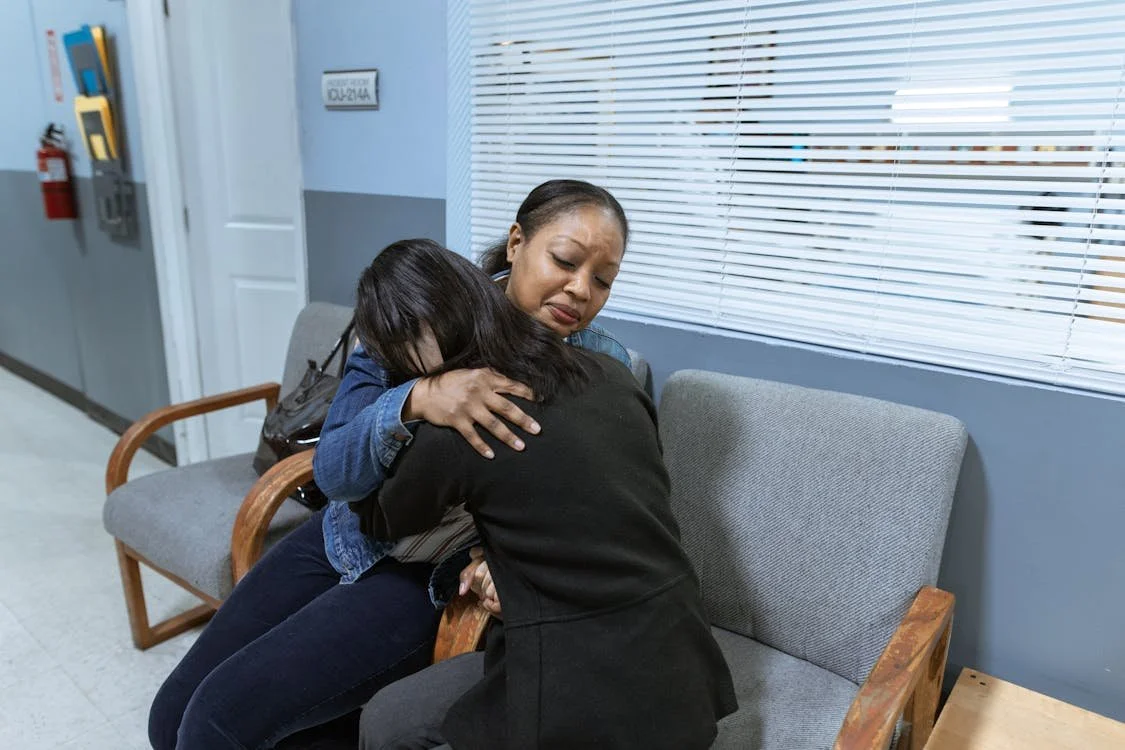
To say that trauma and traumatic experiences are hard is an understatement, because they are indescribable. Even the journey of recovery is complicated.

All tagged death
To say that trauma and traumatic experiences are hard is an understatement, because they are indescribable. Even the journey of recovery is complicated.
What I have found, though, is that families in crisis rarely need an ethics lecture. They need permission: permission to grieve, permission to be afraid, and permission to believe that letting go of aggressive treatment is not the same as letting go of the person they love.
I am a navigator in the various intersections of hopes and fears emerging into ethical dilemmas unfolding in the ICU. Within the hospital setting, chaplains offer emotional support and spiritual care services as members of the patient care team while simultaneously addressing ethical considerations by upholding confidentiality and impartiality.
We are skilled professionals, capable of having difficult conversations in moments of crisis. We can share hard news and provide education about options in ways that are compassionate and loving. What we cannot do, though, is presume to know the best way for someone to die.
There is the reality that the dying process may be painful, both emotionally and physically. Sometimes death is sudden, due to accidents, heart attacks, or even violence. But the day is coming when death will be no more. That is the promise of Revelation 21:4. No more death. No more mourning. No more pain.
Christ’s life becomes our life. Christ’s death becomes our death. And Christ’s resurrection will become our resurrection. Because in Christ, and through Christ, and with Christ, we are drawn out of the river of sin and death that all started at a town called Adam.
But in the arms of Jesus. She is more fully her and more truly home than she ever could have been here.
I spend a lot of time in hospitals, hospice, and living rooms talking with people about dying. I have noticed that often they worry about things of a spiritual nature.
As church leaders, parents, and invested adults, I know we all see this need for supporting children through times of grief. I want to share a little perspective and some resources that I pray you find helpful.
How do we respond to abandonment as ministers and Christian leaders? I don’t like talking about abandonment, and my first instinct is to find excuses.
As spiritual leaders … we are expected to have words that matter as we speak into the lives of those in pain.
Gratitude, simplicity, taking time. How difficult it can be to digest our own advice; how often we remain shielded from the perspectives of others. Pause; breathe.
We’re in over our heads; light spreads at too slow a pace for one step, it seems. We’re waiting; are you here?
Like my brothers in the prison, suddenly we are all hoping that death won’t have the last word.
Now that this is a more intuitive process for me, I share these three practical guidelines for preaching a funeral.
Even as some churches are dying, the kin-dom of God is not dying. We are not powerful enough to kill the redemptive movement of bringing humanity into fuller relationship with God.
Humble suggestions after 25 years of conducting funerals while begging for the wisdom of the Holy Spirit and simply trying to say what seems most appropriate.
I wonder what Jesus’s followers did in the long hours between the death and resurrection. It was only a couple of days, but it likely felt like an eternity.
As I sit imaginatively with this story, I find myself identifying with Lazarus. I find myself in a season of life with God that feels grave.
We preach life after death, denying death its victory, but perhaps we forget that death has always brought life.