What is a Good Death?
“I know this isn’t what he wants; I just can’t let him die.”
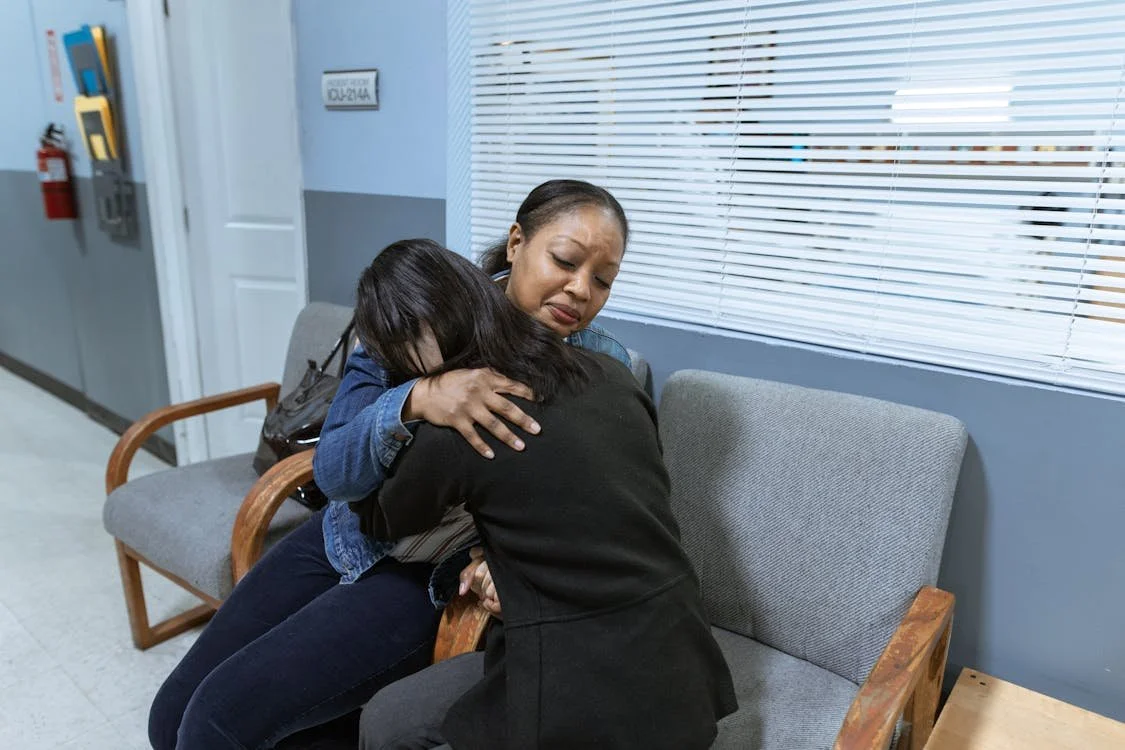
As I sit with Mrs. Brown beside her husband in the intensive care unit, a mechanical ventilator drawing each breath for him, her words wash over me. I feel anger, sadness, defeat, and even rage. I gather myself, careful that no outward sign of these feelings is evident. I reach out, touch her lightly, and say, “I cannot imagine how hard this is.”
A caring presence, the Holy Spirit amongst us, has to be enough at this moment.
The palliative care team is very familiar with Mr. and Mrs. Brown. Mr. Brown has end-stage congestive heart failure and has been admitted to the hospital repeatedly over the past year. Our team has engaged in multiple conversations with the Browns regarding goals of care and end-of-life wishes. It was evident that Mr. Brown hoped to be at home during his final weeks, focusing on comfort rather than prolongation of life. His wife, however, was ultimately unable to fulfill these wishes.
The palliative care office has a large, beautiful conference table that perfectly fits the team; everyone is seated in their familiar, though unassigned, places. We gather here daily to discuss every patient on our list. The table is always dressed with a simple yet elegant centerpiece, but the most beautiful aspect of this space is not the table or what sits upon it. It is the safety of the space itself, a place where the team can voice frustration and wrestle with dilemmas, share sadness, seek input, and teach one another.
There is no need for further conversations with Mrs. Brown. Despite every heroic effort the medical team can provide, Mr. Brown will die. Our goal has shifted from education and decision-making to simply sitting with his family until his heart can no longer beat.
Our team sits, sadness filling the room, and we discuss the case. A young but wise palliative care physician quietly says, “We don’t own the outcome.”
We don’t own the outcome?
We don’t own the outcome!
We don’t own the outcome.
This is not the first time we have spoken this mantra, and it will not be the last. It is a simple yet profound reminder that we are not in control.
We are skilled professionals, capable of having difficult conversations in moments of crisis. We can share hard news and provide education about options in ways that are compassionate and loving. What we cannot do, though, is presume to know the best way for someone to die. Despite our own beliefs, it is our role to walk alongside each patient and family and to support them in the way they choose. Or in the case of Mrs. Brown, not choose.
Despite having clearly stated his wishes, Mr. Brown did not put them in writing. While he knew his wife would likely be unable to carry them out, he chose not to designate another person as his medical power of attorney. Maybe, just maybe, after sixty-five years of marriage, he chose to leave that decision to her, allowing her to determine how his life would end. Or maybe that is simply me trying to make sense of this.
Mrs. Brown ultimately chose to remove the mechanical ventilator, knowing that death would follow. The palliative care team remained present, ensuring comfort—physical, emotional, and spiritual. The ICU nurse gently closed the curtain along the glass wall and carried out the medical steps to withdraw life-sustaining support with quiet respect.
Mr. Brown took his final unassisted breath and died peacefully, his wife holding his hand, loving professionals gathered around him. For Mrs. Brown, brave and vulnerable, a single tear traced her cheek as she kissed her husband softly and told him goodbye.
A good death?
A good death!
A good death.