The Church is called to be the people united through the Spirit to bring about unity, peace, and reconciliation in a divided world.


The Church is called to be the people united through the Spirit to bring about unity, peace, and reconciliation in a divided world.
We need to steer away from the temptation to make what we do about ourselves and to try to make God look better. We simply need to be faithful to our call to serve God.
We need help and support, and that support can come from our brothers and sisters who are no longer living, by means of their writings and their example.
These unsung heroes followed in the steps of Christ and in so doing, kept the flame of the Gospel burning. May God send us more leaders like them.
If you pray for the lost, God will answer. He will send you people, and you will share Jesus. God will give the increase, more than you can ask or imagine.
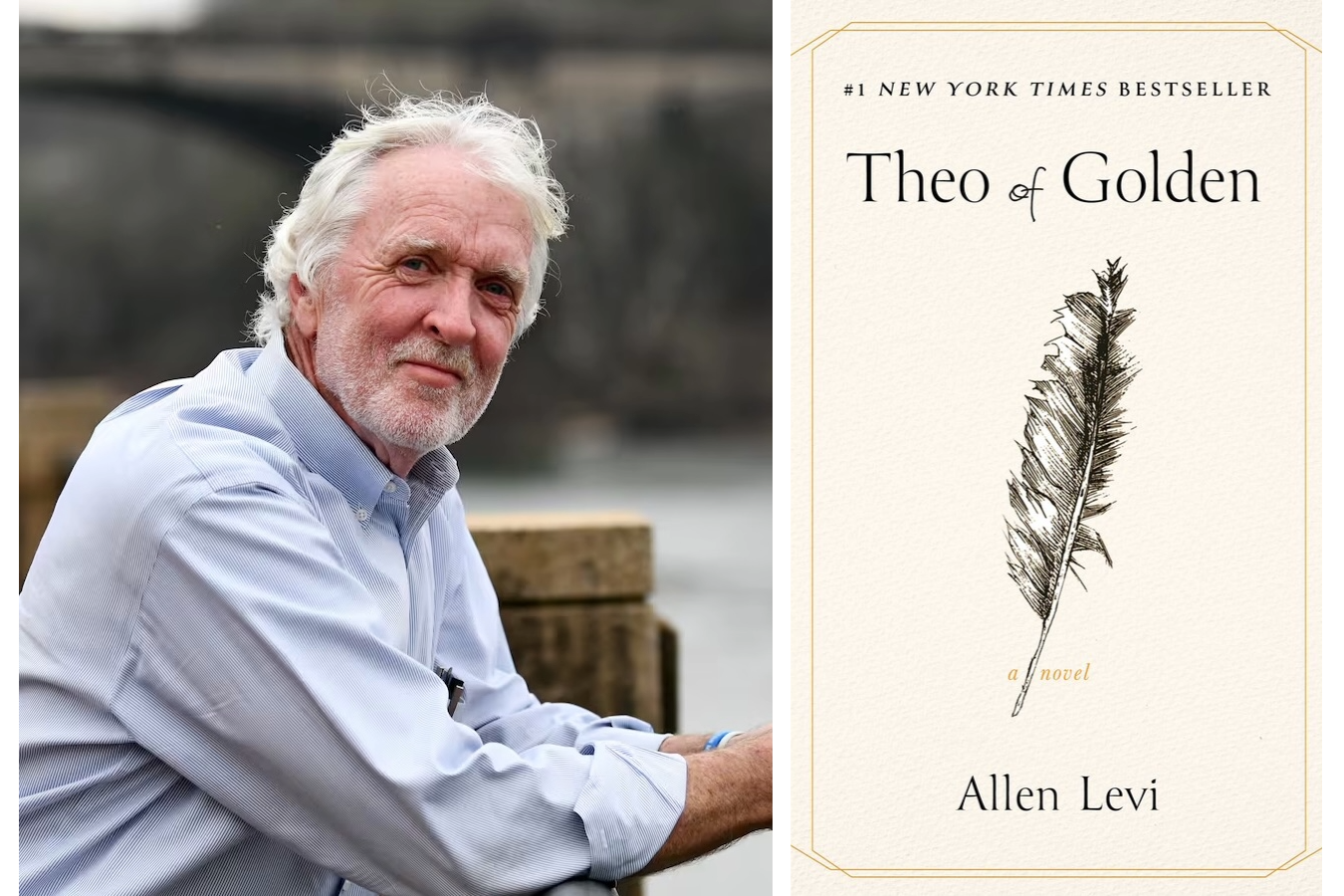
This book surfaces pastoral practices and echoes of the Fruit of the Spirit that can shape both our personal relationships and our ministerial lives.
Lazy conclusions about the causes of church decline aren’t helpful. A more thoughtful approach would be to go back to the basic idea of building a healthy church and then constantly renewing it.
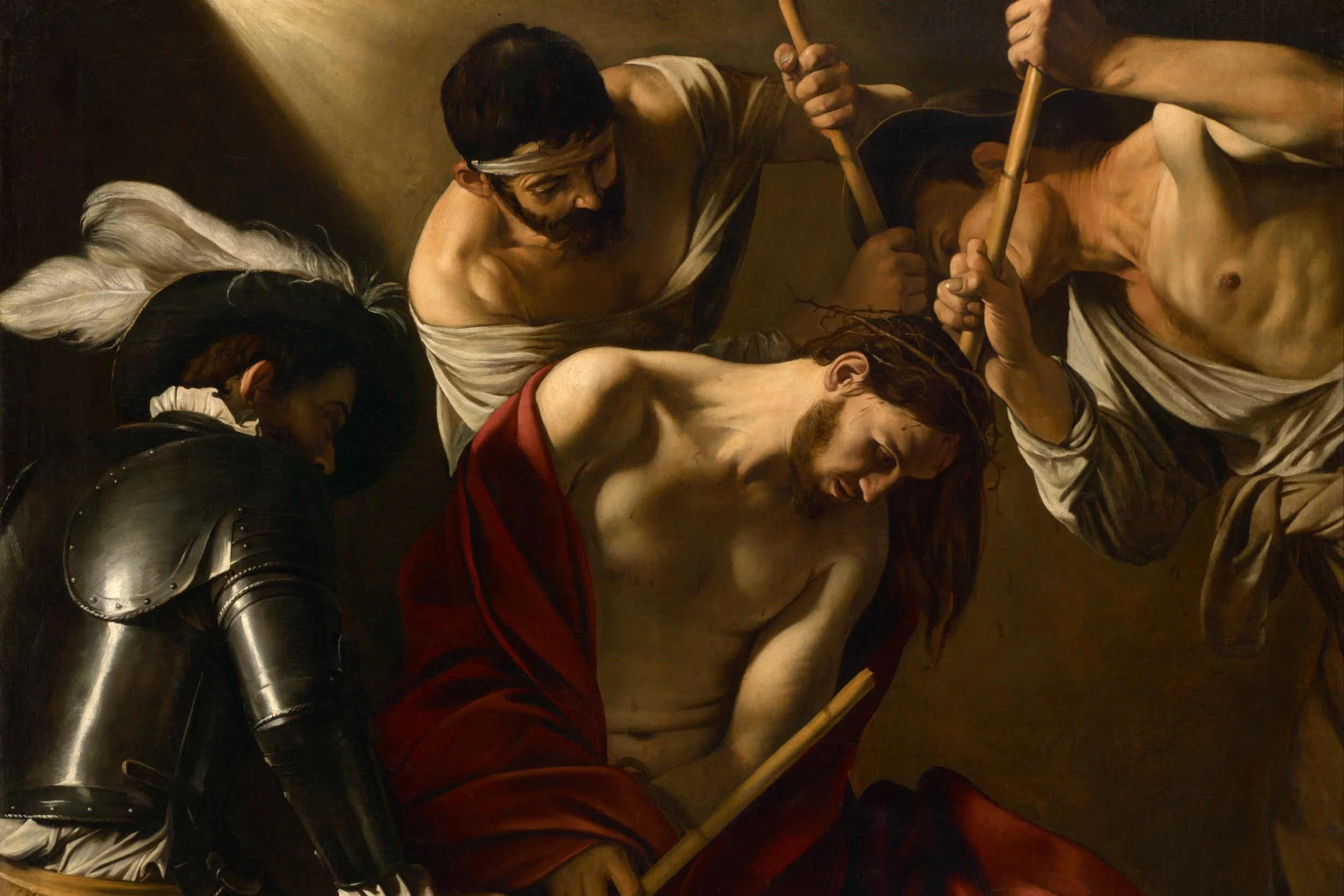
Remember Christ’s robe this graduation season. Help the grad in your life to remember them, too.
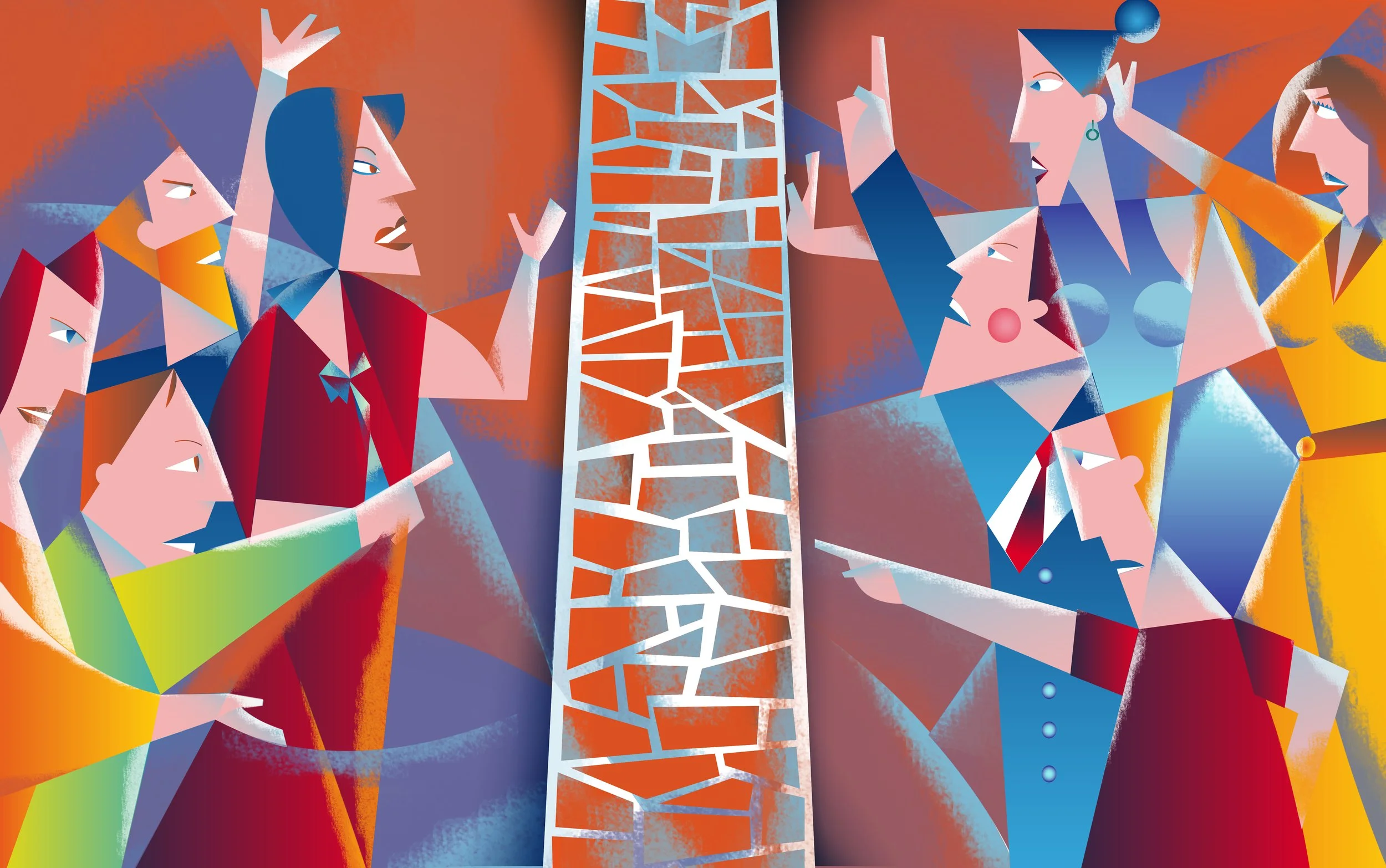
Both groups are being faithful to the Lord; they just can’t get along with each other. We must learn how to handle the conflicts that happen with each other so we can fight the real enemy together.
If we truly believe that the Gospel of Jesus is good news, then it only makes sense that we would orient our lives in such a way as to see the world and others through this lens.
Peace is not pretending everything is fine. Peace is knowing who is in the boat and learning how to sit down while the waves are still loud.
As chaplains, we cannot be merely informed about trauma; we must be trauma-responsive.
Instead of minimizing or dismissing the emotions one carries in a moment of trauma, lament offers a space to directly name the hurt of the painful moment.
To say that trauma and traumatic experiences are hard is an understatement, because they are indescribable. Even the journey of recovery is complicated.
Developing an intergenerational spirit of learning is a skill we develop throughout our lives. This means beginning to see the gifts that every age group—older and younger—has to offer to my life and the life of my church.
We frequently view these smaller churches as merely being recipients of help. Instead, they are partners that often serve as incubators for future ministers and lay ministers of all-sized churches.
If, as a church today, we are living out a comfortable and easy Christianity—if the practice of our faith presents us with no challenge or sacrifice, no discomfort or opposition—perhaps it is because the grace we are living by is a cheap grace.
What if Paul is wanting us to understand not how to love better, but instead what God’s love for us is like? What if this love from God is what Paul actually meant when he said at the end of the 1 Corinthians 12, “And yet I will show you the most excellent way?”
Such a path of discovery sits at odds with usual practice. Congregational leaders may be tempted to play out a hunch, try what some other church has done, or impose their own will on a congregation. Yet Paul’s prayer leads contemporary leaders to a different kind of practice.
The Holy Spirit will connect us to non-believers. May God bless us as we seek to draw them, invite them, call them into a relationship with Jesus.